

ANRS Emerging Infectious Diseases is a member of the Global Research Collaboration for Infectious Disease Preparedness (GloPID-R), a network of European and international funders of research in infectious diseases.
Last updated on 09 December 2025
GloPID-R is a network of research funding organizations whose mission is to facilitate the coordination of international funding to improve the preparedness and reactivity of the research response to epidemics and pandemics.
GloPID-R announced the first Global Research Improving Pandemic Preparedness (GRIPP) call for proposals.
It follows the coordinated funding mechanism developed by GloPID-R, and is based on the broad engagement of the consortium members. The goal is to strengthen the clinical research ecosystem to improve clinical trial good practices, in support of preparedness for outbreaks of new or re-emerging diseases.
The purpose of the GRIPP call for proposals is to meet the consortium’s three main goals :
The 1st GRIPP call for proposals is opened from Sept. 4 to Nov. 14 2025.
Discover GRIPP 1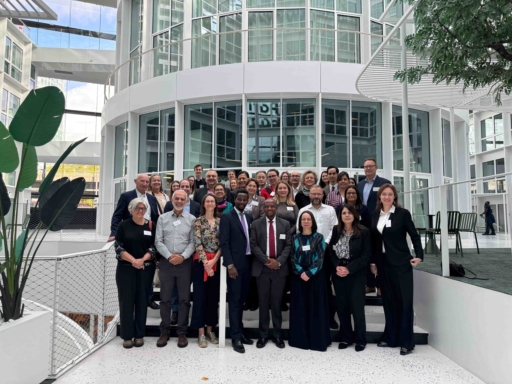
ANRS Emerging infectious diseases is delighted to have hosted the 2025 General Assembly of the GloPID-R consortium in Paris, a key moment for research funding agencies from around the world to strengthen their coordination, share lessons learned from the past year and define priorities for the years to come.
This annual meeting brought together members and observers to reflect on lessons learned from recent epidemics, examine the changing needs and priorities of funders, and define a common vision for strengthening and increasing the impact of GloPID-R.
‘We are a coalition, an alliance that promotes alignment, supports the scientific response and promotes equitable preparedness globally. Thanks to the WHO, the European Commission and all the partners launching new initiatives, we must capitalise on this collective energy. It is extremely important to continue working together: aligning priorities, avoiding duplication and building on each other’s strengths.’
Yazdan Yazdanpanah, 2025 General Assembly
GloPID-R aims to improve the response to epidemics by mobilizing its members to analyse existing knowledge, target priority funding needs, promote data sharing and speed up the allocation of research funds in the event of a crisis. Founded in 2013, the project is funded by the Horizon 2020 research and innovation programme. To date, the network has 35 members and 8 observers spread around the world; Pasteur Network and ANRS MIE are the two French representatives of the network.
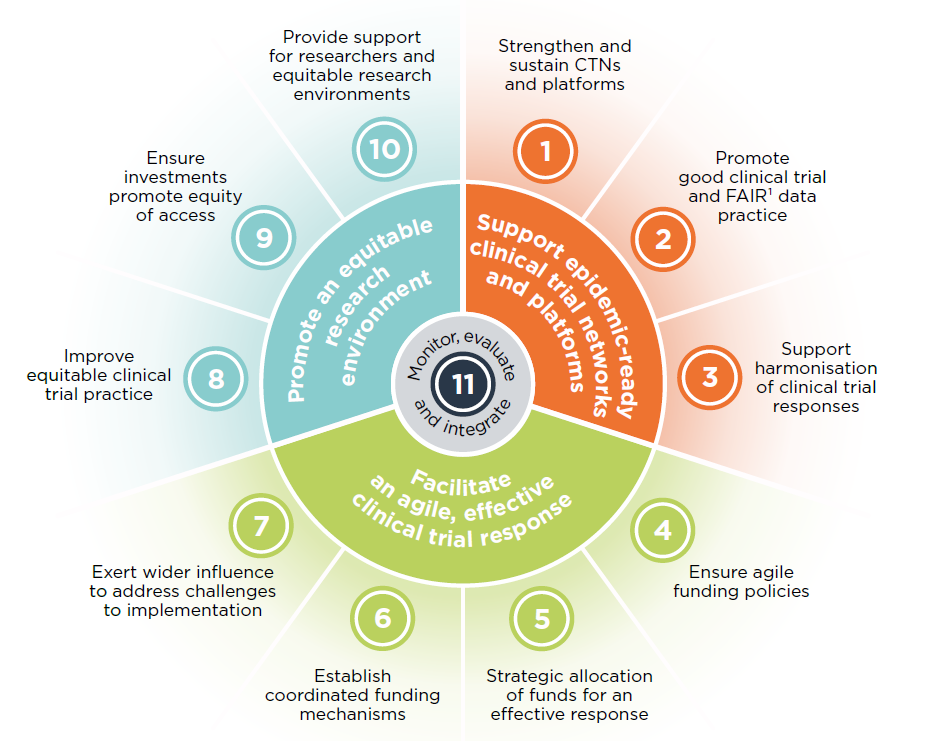
The GloPID-R Roadmap for Clinical Trial Coordination is now publicly available on the GloPID-R website. With its clear objectives, principles and recommendations, it is a valuable tool for funding bodies and other stakeholders.
A total of three objectives supported by 11 principles, together with a series of recommendations aimed at implementing these principles, were defined through a consultative and iterative approach on a global scale. Researchers and funding agencies from around the world shared their experiences of coordinating clinical trials during epidemics. The recommendations in the roadmap are therefore based on lessons learned.
This roadmap will help to improve the world’s capacity to conduct coordinated, effective and equitable clinical trials in response to epidemics and pandemics.
The ANRS MIE played an active role in drawing up this roadmap, and in particular worked to simplify the process of obtaining the regulatory approvals needed to launch a study, to ensure that equity in research and the involvement of low- and middle-income countries (LMICs) were taken into account, and to improve access to innovative treatments.

Focus on the highlights from the discussions and conclusions of the 2025 General Assembly of the GloPID-R consortium.
09 December 2025