

Focus on the highlights from the discussions and conclusions of the 2025 General Assembly of the GloPID-R consortium.
Last updated on 09 December 2025
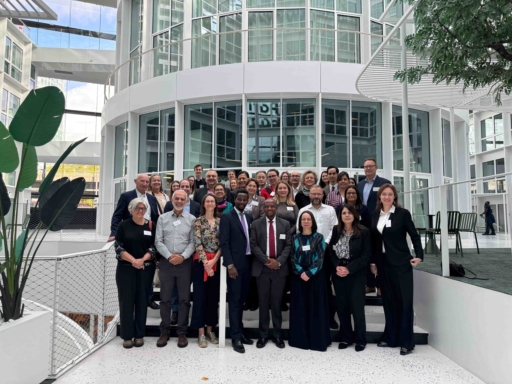
The Mpox session highlighted how GloPID-R mobilized its network during recent outbreaks to support more coordinated and timely research activities. Members were convened after key events to share updates, interpret funding insights from the Pandemic PACT, and align their planned activities with broader research roadmaps.
The session also provided space for members to reflect on lessons learned from their own responses, reinforcing the importance of clearer research priorities, stronger linkages between funders, and more agile funding mechanisms for future health emergencies. Presentations from EDCTP3, CEPI, and WHO underscored the value of GloPID-R as a platform for joint action and knowledge exchange.
A major milestone celebrated at the Assembly was the launch of the first coordinated call under the Global Research Improving Pandemic Preparedness (GRIPP) mechanism. Since its introduction in 2024, GRIPP has strengthened collaboration among contributing funders and laid the foundation for an annual coordinated funding process.
Members heard how GRIPP Call 1 is supporting efforts to improve clinical trial capacity in low- and middle-income countries, and how tools such as webinars and application support have helped strengthen partnerships and proposals.
Lessons from operationalizing Call 1 are now guiding the design of GRIPP Call 2, which will focus on research to strengthen surveillance, aligned with WHO’s research priorities for pandemic and epidemic intelligence. Early discussions among funders emphasized the value of alignment, shared principles, and a streamlined process as GRIPP continues to evolve.
Members were also introduced to the updated GloPID-R Rapid Response Plan, revised this year to incorporate new capabilities, align with the WHO Pathogen Prioritization Framework and the CORCs.
The plan offers a clear decision-making pathway and tools to support GloPID-R to facilitate a rapid, effective and collaborative research response to outbreaks by mobilising the network. Members discussed actions to further refine the plan to better prepare for different outbreak scenarios going forwards.
The Assembly also included a presentation of GloPID-R’s proposed strategic direction for its next phase. Developed through consultations with the Board, Secretariat, and Members, the proposal sparked a rich discussion among members, centering on how GloPID-R can continue to evolve as a collaborative, inclusive, and data-informed network that drives global research preparedness.
The 2025 General Assembly underscored GloPID-R’s growing role as a catalyst for global research coordination and preparedness. Through shared learning, strategic discussions, and renewed commitments, members reaffirmed their collective goal: to accelerate and align research responses for future health emergencies.
To mark the anniversary of the discovery, on 24 March 1882, of the bacillus responsible for tuberculosis by Dr Robert Koch.
24 March 2026