Discover the press kit for the 2026 Scientific Days
As it does every year, ANRS Emerging Infectious Diseases (ANRS MIE) is organising its Scientific Days. As the agency’s major annual event, this is an opportunity for researchers and our institutional, non-profit and industrial partners to present recent advances in research into infectious diseases and to discuss priorities and future prospects.
One of the ANRS MIE’s key objectives is to prepare for the outbreak of an epidemic in order to respond effectively. However, controlling an epidemic requires advance preparation. This involves developing effective diagnostic, preventive and therapeutic tools. It therefore relies on innovation.
Innovation is one of the cornerstones of preparing for and responding to future epidemics and pandemics.
This is why the theme of the 2026 Scientific Conference is ‘Innovation to accelerate the response to infectious diseases’.
The geopolitical landscape is changing. At a time when funding for medical research is declining and the future of international health programmes is uncertain, France and Europe have an important role to play.
Epidemic crises are, of course, genuine therapeutic emergencies, but they are also a powerful catalyst for innovation. The ANRS MIE is one of the leading agencies in Europe combating emerging infectious diseases. It plays a driving role for France and Europe in innovation.

In collaboration with other agencies, in particular the Health Innovation Agency, and government departments in France, ANRS MIE leads, funds and coordinates research into emerging and re-emerging infectious diseases, with a constant focus on developing innovations. The agency plays a leading role in this field in France and across Europe.
The 2026 event will take place over two days, Wednesday 1 and Thursday 2 April 2026, at the Cité internationale universitaire de Paris. Speakers will focus on presenting the latest advances in research into infectious diseases, for the benefit of human and animal health and ecosystems. The new generation of researchers will also be showcased through the presentation of their work.
This year’s central theme is ‘innovation’ in relation to preparedness for and response to infectious diseases. It is explored through a logical scientific programme covering:
Session 1 – New surveillance and diagnostic tools
Session 2 – Vaccination in the era of emerging technologies à l’ère des nouvelles technologies
Session 3 – Innovative therapeutic approaches
New methods of surveillance and diagnosis are essential for anticipating health crises. They draw on epidemic modelling or synthetic biology, which relies on technological platforms and the use of computing. The aim of synthetic biology is to develop new biological systems in the laboratory with a view to creating tools that are useful to society.
Vaccinology has entered a new era, notably with the contribution of artificial intelligence and RNA technologies. This has redefined vaccine design. Advances in mucosal immunology are also making significant strides, paving the way for nasal vaccines.
Therapy has also benefited from innovation. New approaches are emerging, such as the production of antibodies directly within the body or the development of a drug candidate against tuberculosis.
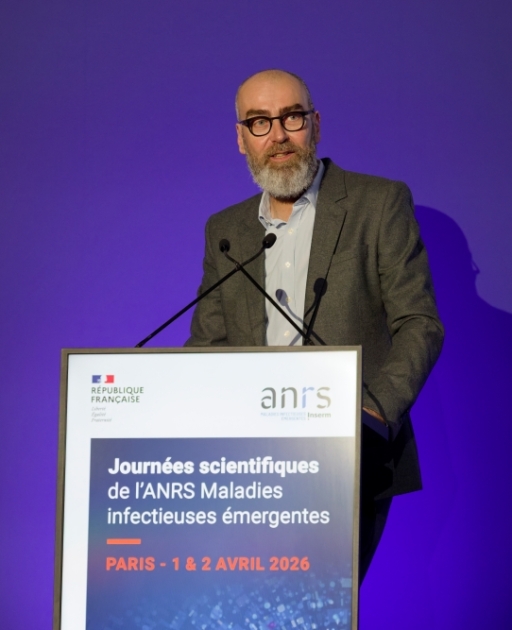
The 2026 edition places innovation at the heart of its three key areas: new diagnostic tools, vaccine innovation and therapeutic approaches.
Several key highlights centred around the opening speeches (keynotes) and round-table discussions stand out in this programme. The focus will be on the contribution of artificial intelligence to biomedical discoveries and the role of new technological approaches in HIV and, potentially, emerging infectious diseases:
The themes of supporting innovation in France and access to innovation in low- and middle-income countries (LMICs) will also be explored: