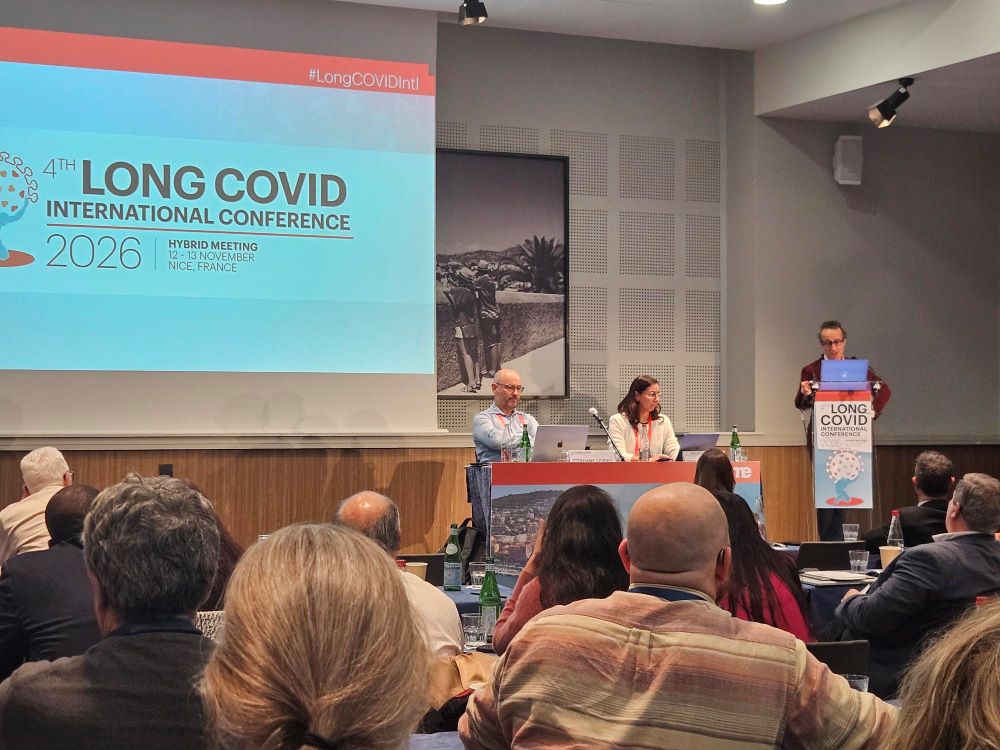
12 November 2026
Identifying reliable biomarkers is a major challenge in understanding the mechanisms underlying Long COVID, improving its diagnosis, and contributing to the development of therapeutic strategies tailored to patients’ needs. This symposium will bring together international experts to discuss the latest advances in the field of Long COVID biomarkers and their potential to improve patient care. The discussions during this symposium will bring together the perspectives of researchers, clinicians, and patient representatives.
The programme will include presentations of four French studies focusing on potential biomarkers of Long COVID, three of which have received support from ANRS MIE. These presentations will be followed by a roundtable discussion to put the findings into perspective and explore their implications for research and patient care. The symposium will be held in English.
————————————-
The full symposium programme is available below.
15:35 – 15:45 Introduction,
Prof. Yazdan Yazdanpanah, Director of ANRS MIE
Pauline Oustric, patient representative, ApresJ20, Paris, France
Moderators:
Mireille Laforge, PhD, CNRS Researcher/Team Leader INSERM U1141, Paris, France
Stéphane Corbel, ApresJ20, Paris, France
15:35 – 15:45, Biomarkers associated with the persistence of symptoms following acute SARS-CoV-2 infection in the French COVID national cohort (ANRS0273-Biomarqueurs-persist Trial), Jade Ghosn, Professor of Infectious Diseases, Bichat University Hospital, Paris, France
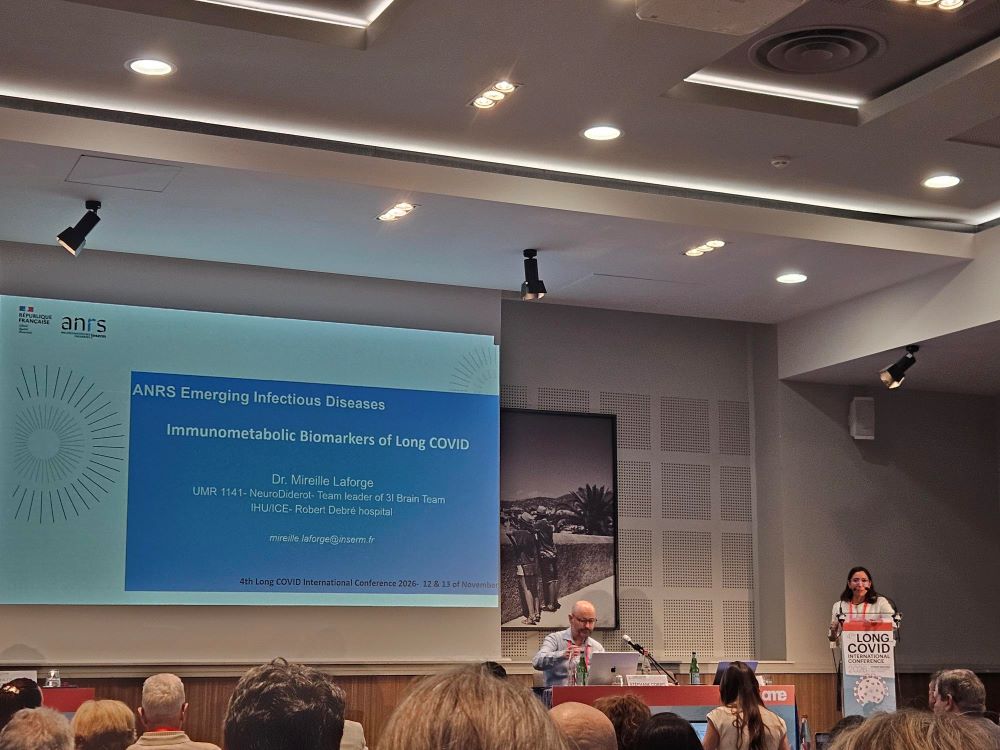
15:45 – 15:55 Immunometabolic biomarkers of Long COVID (ANRS0266-IMPP Long COVID Trial), Mireille Laforge, PhD, CNRS Researcher/Team Leader INSERM U1141, Paris, France
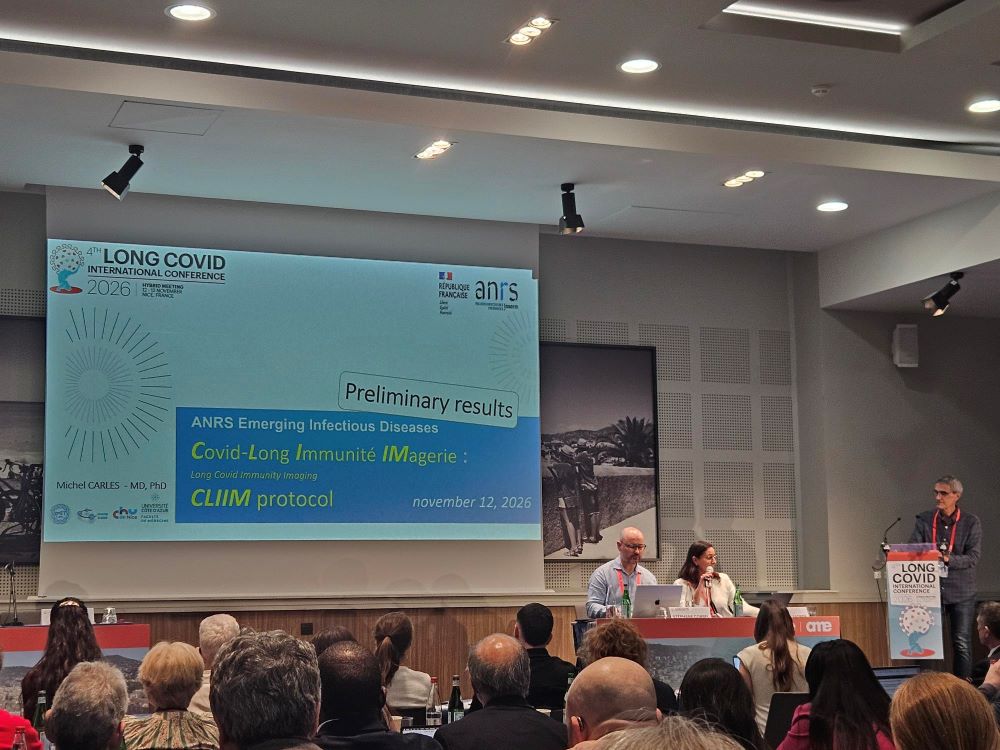
15:55 – 16:05 Long COVID Immunity and Cerebral Imaging: development of diagnostic tools (ANRS0580-CLIIM Trial), Michel Carlès, Professor of Infectious Diseases, Nice University Hospital, Nice, France
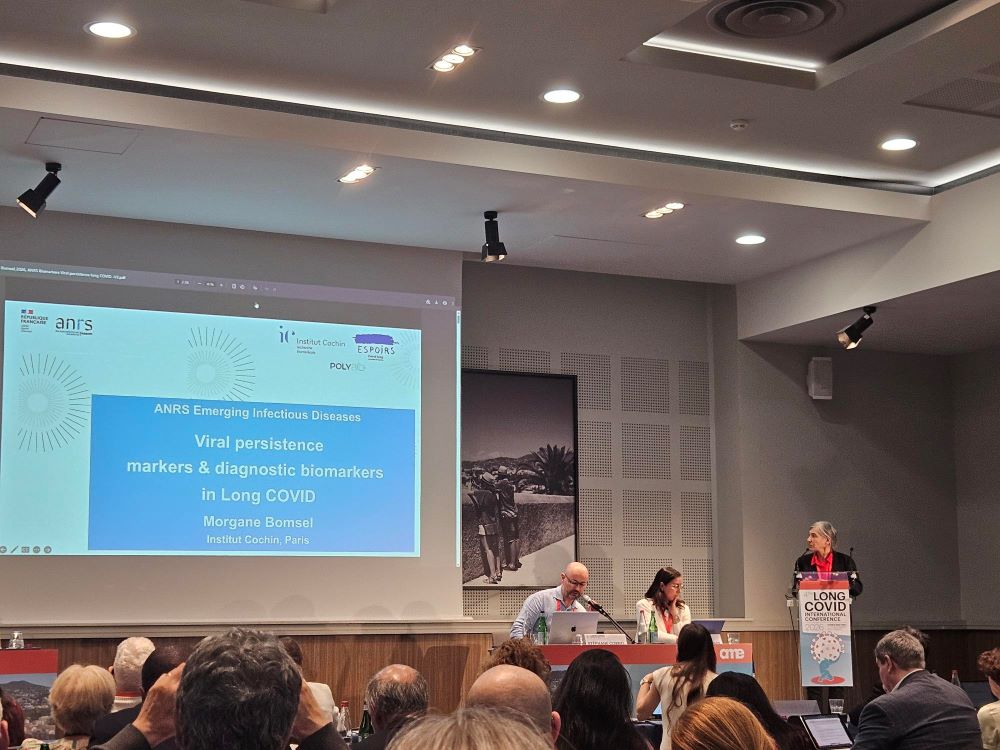
16:05 – 16:15 Viral hallmarks and potentials virological biomarkers of Long COVID, Morgane Bomsel, CNRS Team Leader, Institut Cochin, Paris, France
16:15 – 16:25 Q & A
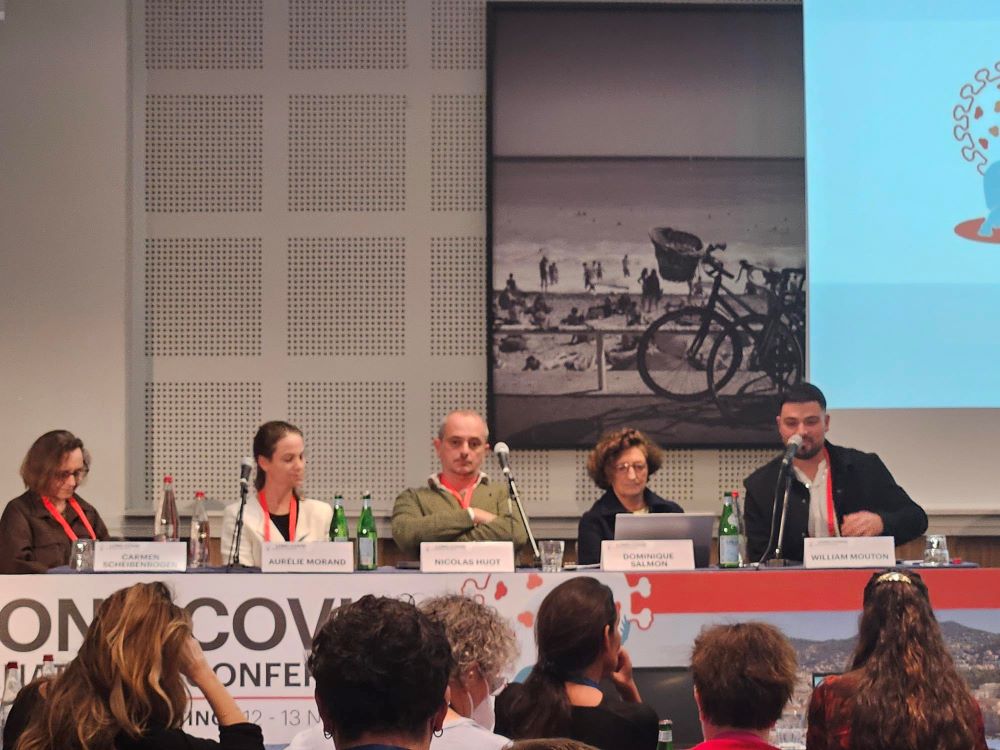
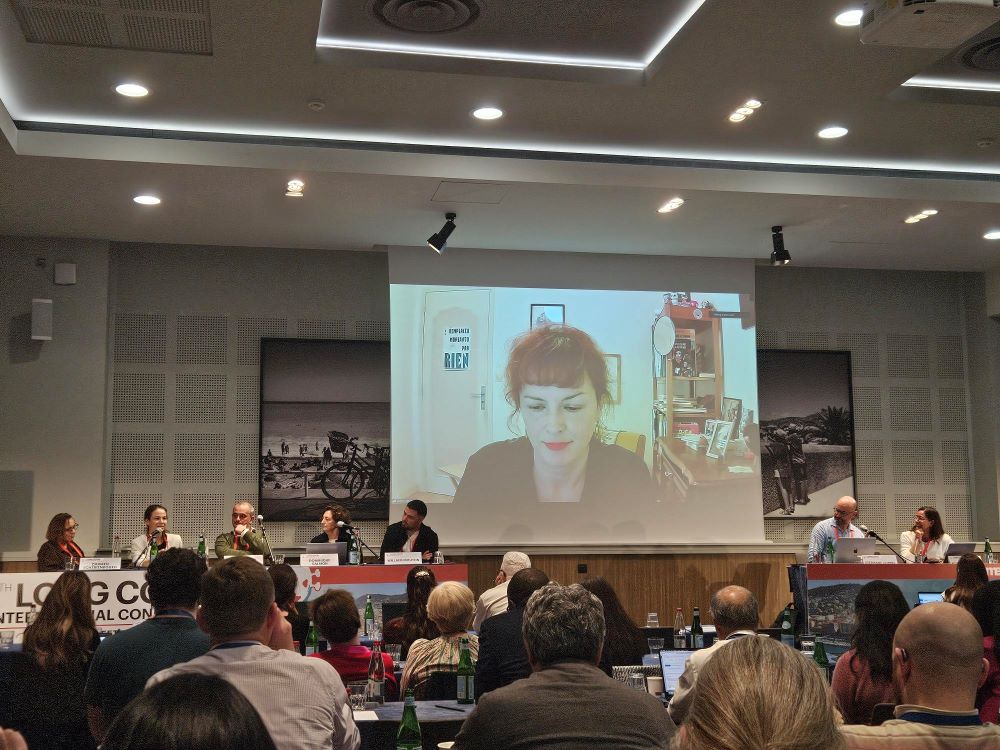
16:25 – 16:55 Round table: Which emerging biomarkers appear most relevant? What challenges remain? What are the patients’ needs?
Nicolas Huot, PhD, Institut Pasteur, Université Paris-Cité, Paris, France
Aurélie Morand, MD, PhD, Professor of Pediatrics, Hôpital de la Timone, AP-HM, Aix-Marseille University, Marseille, France
William Mouton, PhD, CIRI – Université Claude Bernard Lyon1/Hospices Civils de Lyon – bioMérieux, Lyon, France
Dominique Salmon Ceron, Professor of Infectious Diseases, Paris, France
Carmen Scheinbenbogen, Professor of Internal Medicine, Berlin, Germany
Solenn Tanguy, patient representative, Winslow Santé Publique, Paris, France
17:55 – 17:00 Conclusion: Marc Bardou, Professor of Internal Medicine, Advisor to the French Ministry of Health
Below are the abstracts of the presentations from the symposium.
Jade Ghosn, Professor of Infectious Diseases, Bichat University Hospital, Paris, France
The French COVID cohort, launched on February 5, 2020, is a multicentre observational study that enrolled more than 4,000 patients hospitalized with confirmed SARS-CoV-2 infection. Participants were followed for up to 18 months, with clinical and functional assessments, quality-of-life questionnaires, and biological sample collection through a dedicated biobank. The study presented aimed to identify biomarkers associated with persistent symptoms following acute COVID-19, also known as post-acute COVID-19 syndrome (PACS) or long COVID.
One-year follow-up data showed that 67% of patients reported at least one persistent symptom, while 27% reported at least three symptoms. Persistent symptoms were more frequent among women. (Ghosn J,et al. Clin Microbiol Infect. 2021;27(7):1041.e1-1041.e4).
The study objective presented was to use the samples stored in the cohort biobank to identify biological markers associated with post-acute COVID-19 symptoms (PACS), i.e. long COVID. To address this objective, the study was structured around three complementary work packages using biological samples stored in the cohort biobank. The first focused on immunological biomarkers, particularly immune activation and inflammation, using the Olink proteomic platform to identify potentially relevant proteins. The second investigated virological markers, including Epstein–Barr virus (EBV) reactivation and SARS-CoV-2 antibody titres. The third explored neuroinflammation-related biomarkers, including neurofilament light chain (NfL), tau protein, and tryptophan and serotonin precursors, to investigate potential associations with persistent neurological and cognitive symptoms.
The preliminary findings suggest that long COVID is associated with a persistent biological signature and highlight the importance of endothelial and inflammatory pathways in the persistence of long COVID symptoms. Further validation in independent cohorts is required to confirm these associations and identify reliable predictive biomarkers. Ultimately, these findings could contribute to the development of blood-based diagnostic tools and targeted therapeutic strategies for long COVID.
Mireille Laforge, PhD, CNRS Researcher/Team Leader INSERM U1141, Paris, France
Deciphering host metabolic factors and energetic metabolism implication in senescence, inflammation, immune activation related to SARS-Cov-2 infection and long COVID with a particular focus on immune-metabolic processes.
The pathophysiology of SARS-CoV-2 and the immunopathology accompanied with this virus is still not fully understood. Long COVID is one of these complications for which the underlying reasons need to be unveiled. Millions of people continue to suffer from long-term COVID symptoms. Studies estimate that 10 percent of people infected with the coronavirus may develop long COVID according to the World Health Organization (WHO). Clinical symptoms are diverse and commonly include fatigue, breathlessness, cognitive impairment (“brain fog”), palpitations, and persistent disturbances in smell and taste. A spotlight has been focused on the need for research into the multisystem effects of this condition to inform the development of diagnostics, preventive strategies, and therapeutic interventions. Published studies have emphasized the importance of inflammatory response and the high viral load during acute COVID-19. However, even moderate infected people or vaccinated people can suffer from long COVID.
We still ignore the reasons of developing such broad-spectrum symptoms and little is known about the role of the immune-metabolic implication in the quality of the immune response leading to viral persistence, chronic inflammation, immune activation or a reactivation of dormant virus in long COVID and the host factors predisposing to it such as metabolic factors.
The aim of our multidisciplinary study is to investigate the immunometabolic pathophysiology of long-COVID through a comprehensive immunometabolic analysis of immune cells (neutrophils, NK cells, T cells) during COVID infection that impacted on the immune response that may underlie the manifestations of long-COVID patients. Dysfunctions in the metabolic signatures of the immune cells can lead to a poor-quality immune response resulting in viral persistence, chronic inflammation, immune activation or reactivation of certain dormant viruses such as CMV, EBV, herpes virus.
In this collaborative and multidisciplinary project, we suggest that widespread viral dissemination and organ penetration during the acute phase of infection may contribute to the long-term consequences of SARS-CoV-2 infection, which may appear even several months after the onset of infection. We also envisage that these pathological mechanisms, which are not mutually exclusive, are associated with pre-existing conditions (host factors), such as pre-existing viral infections, or metabolic factors that alter cellular immuno-metabolism and reduce the quality of the immune response.
To address these hypotheses, the project aims to unravel the pathophysiological mechanisms that contribute to the pathogenesis of long COVID, with the long-term objectives of contributing to the development of diagnostic, preventive and/or therapeutic solutions. Therefore, the different teams involved in this project will analyze whether there is a link between long COVID and metabolic changes in patients. We will study the main immunological, metabolic and virological factors in people with long COVID.
The expected results of the study will improve knowledge of risk factors, symptom expression, disease progression and clinical outcomes in relation to host and virus characteristics, as well as the understanding of the mechanisms of host-virus interaction, and thus provide the basis for improved diagnostic approaches, i.e. they will be able to predict whether the COVID-19 patient will progress to long term COVID before he/she shows symptoms, based on the immuno-metabolic profile, and to propose a metabolic reprogramming treatment to modulate the metabolism of immune cells, so that the immune system can fight the viral infection. This means that we will be able to propose more personalized therapeutic approaches and prophylactic measures, independent of the variation and adaptation of the virus.
Michel Carlès, Professor of Infectious Diseases, Nice University Hospital, Nice, France
Introduction
Neurocognitive dysfunction and brain fog are among the most critical problems of Long Covid (LC). Without diagnostic tests and an understanding of the underlying mechanisms, recognition and care remain inadequate. Based on the hypothesis that central nervous system dysregulation plays a key role, we propose a multimodal approach combining clinical, biological, and imaging criteria to establish a validated diagnostic method.
Methods
This prospective cohort study enrolled people self-reporting LC and controls with an acute SARS-CoV-2 infection and no prolonged post-COVID symptoms. All participants underwent a standardized neurocognitive assessment, and an adjudication committee classified severe cognitive impairment. A second approach, based on working speed memory tests (SDMT, FVLT, TAP), grouped the full cohort as severe, moderate, or no brain fog. Biological mechanisms were investigated across groups: circulating immune cells and NLRP3 inflammasome activation, autoreactome profiling (MIPSA, Molecular Indexing of Proteins by Self-Assembly), cytokines, and stimulated IFN-γ responses. The MRI component (part 3, using individualized digital twins based on the MNI Atlas) is still pending.
Results
These results are preliminary (participants n=78). In severe LC (n=20) compared with controls (n=30), a composite of four cognitive and symptom scores reached 98% sensitivity, 94% specificity, and 96% positive and negative predictive values for LC diagnosis, after age adjustment.
LC patients showed more immature neutrophils, which were highest in severe forms and were also elevated in brain fog groups. In mild COVID, NLRP3 stimulation triggered heightened caspase-1 activation in CD45⁺ leukocytes. The autoreactome analysis found no global excess of autoantibodies in LC, but specific autoantibodies were present that may reflect both inflammation and reduced neuromodulation in the CNS (potential biological signature). Brain fog was associated with a weaker SARS-CoV-2-specific IFN-γ response. No differences were seen for TNF-α, ANA, autoantibody breadth, or global IFN-γ.
Discussion
These encouraging preliminary findings offer plausible leads for a composite diagnostic algorithm combining clinical, blood, and imaging data (the latest coming soon). However, the sample sizes are small, which limits statistical power. Ongoing inclusions and validation in larger, independent cohorts will be essential.
Morgane Bomsel, PhD, Cochin Institute, INSERM-CNRS, Paris, France
Long COVID is a syndrome characterized by a wide variety of disabling chronic symptoms, including cardiovascular, neurological, and metabolic symptoms, which develops in 5 to 10% of cases following an acute SARS-CoV-2 infection, whether severe or not. The biological mechanisms responsible for these dysfunctions are not well understood. One of the proposed mechanisms to explain the pathophysiology of Long COVID is the persistence, long after the acute phase of infection, of the SARS-CoV-2 virus itself, which is capable of replicating, and of some of its components.
We will review the scientific literature providing evidence of viral persistence in a wide variety of biological tissues, as well as in stool, blood, and plasma. Genomic viral RNA and viral proteins are detected several months, or even several years, after the initial infection. The detection of replicative RNA suggests the persistence of low-level viral replication. Furthermore, we will summarize the results we obtained in a case-control study using patients’ blood, in which we showed that the virus persisted in megakaryocytes and platelets. These platelets contain infectious virus capable of infecting reporter cells, but also tissue macrophages, which themselves are capable of propagating the infection. We will discuss the consequences of this viral persistence on Long COVID symptoms. These results are the first to demonstrate the persistence of viral infectivity in Long COVID. Finally, clinical trials involving antiviral treatments have also been reviewed. They have highlighted the difficulties encountered in the search for diagnostic biomarkers.
Conclusion
Although evidence supporting SARS-CoV-2 persistence is increasingly abundant, no sufficiently robust diagnostic biomarker is currently available for use in clinical practice. A multidimensional approach combining markers of viral persistence with transcriptomic, immunological, and metabolic signatures could improve diagnostic accuracy. Since Long COVID likely encompasses several clinical endotypes associated with distinct viral reservoirs, identifying these relationships could contribute to the development of more targeted diagnostic strategies and guide the design and evaluation of future clinical trials of antiviral treatments.