Last updated on 15 December 2025
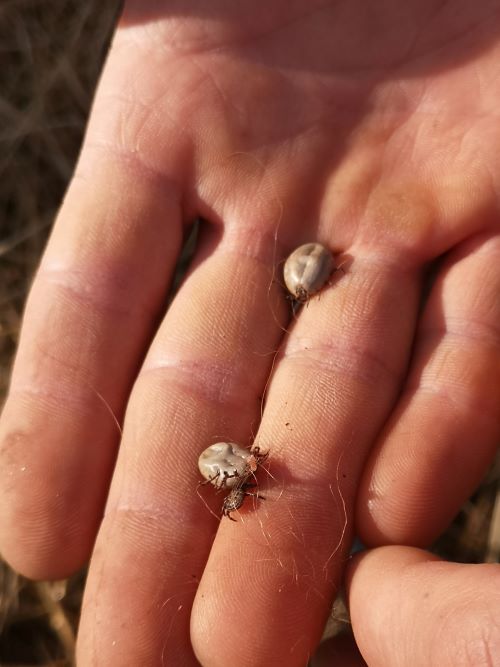
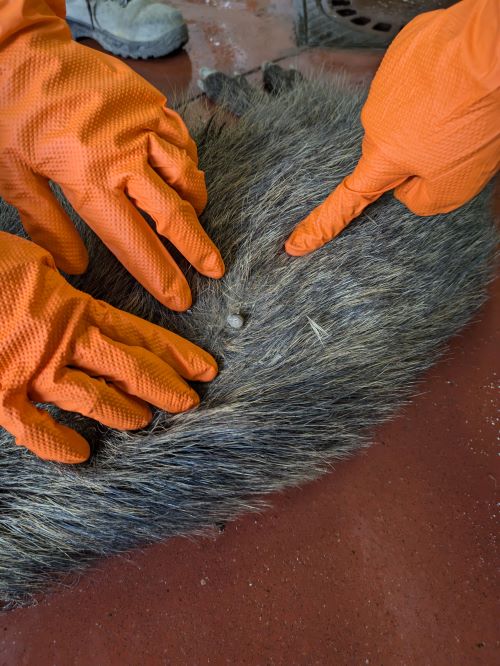
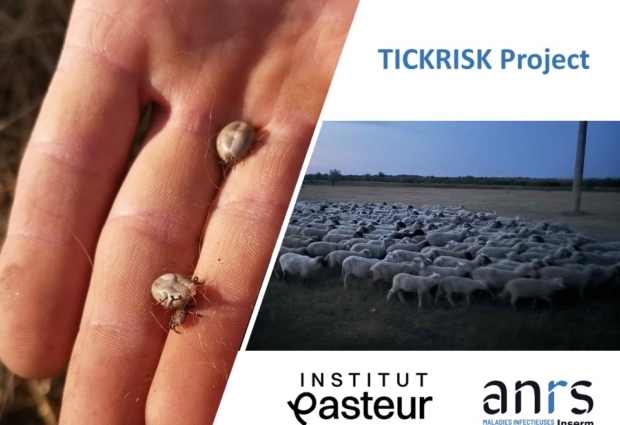
Crimean-Congo haemorrhagic fever (CCHF) is a viral disease transmitted by ticks that currently poses a growing risk at Europe’s borders.
Classified by the World Health Organisation (WHO) as a priority threat for research and development since 2018, CCHF is sometimes described as a “future problem” in France, sometimes as a “time bomb” for Europe.
While biomedical and ecological research on CCHF is progressing, the social sciences remain largely absent from the subject. However, without effective communication on the risks and appropriate health education, our societies remain vulnerable to a potential epidemic.
The TICKRISK project brings together a team of researchers from various disciplines—anthropology, history, virology, social epidemiology, political science and tick ecology—as well as a citizen science programme.
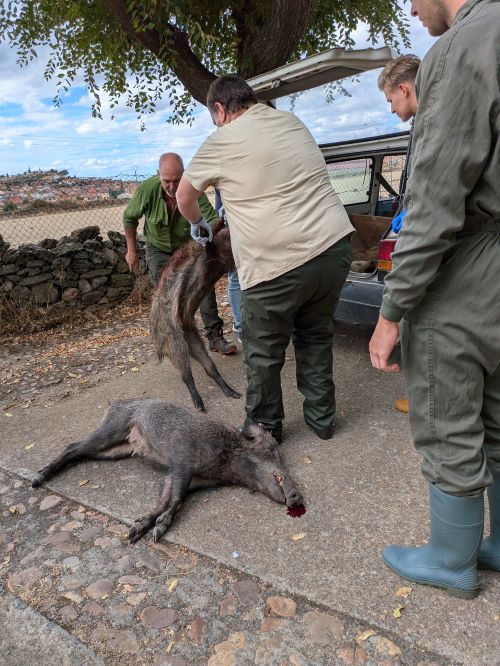
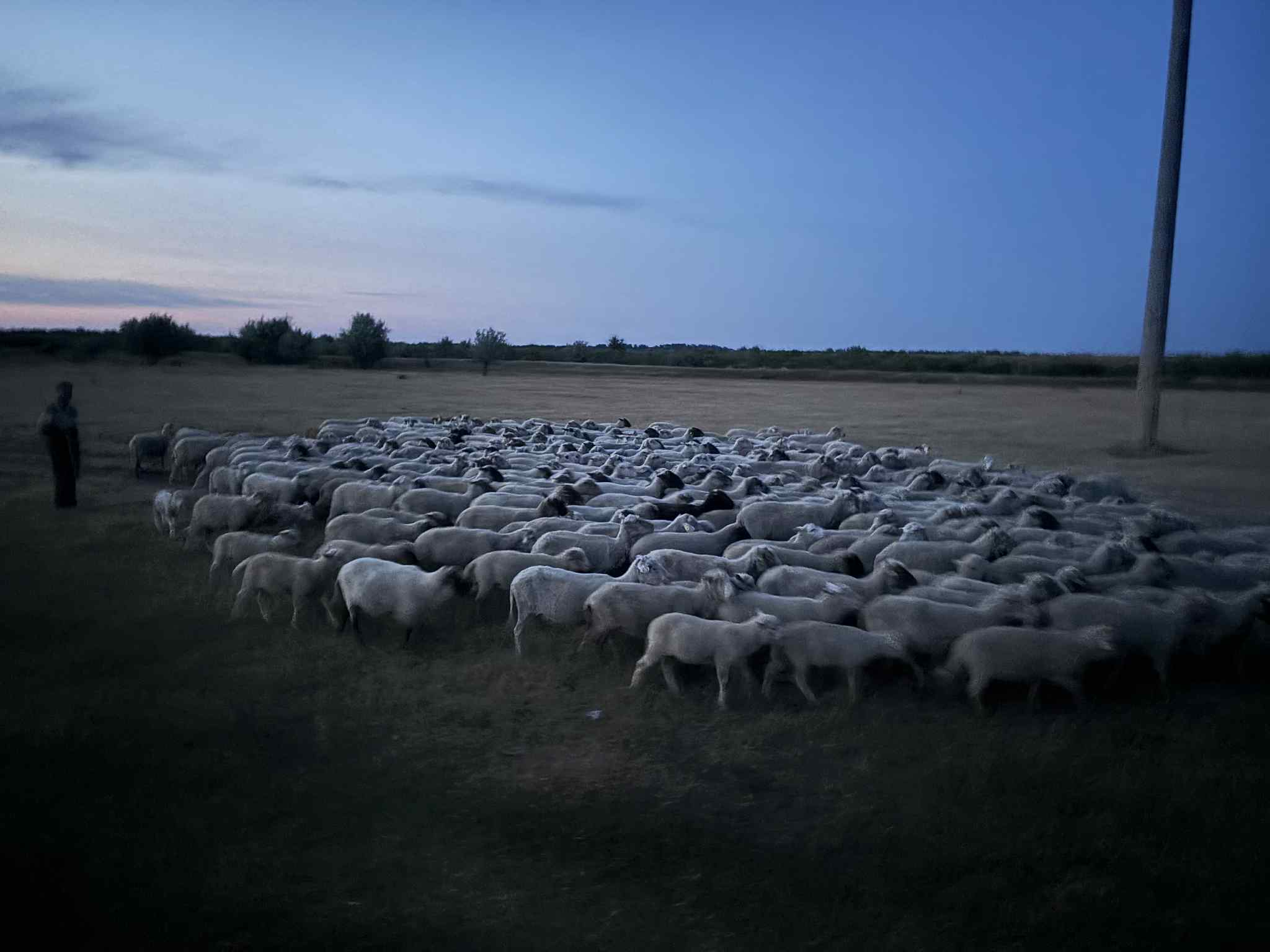
The study is being conducted in four countries:
These territories present different levels of epidemic risk, allowing for a comparative approach and a detailed understanding of local dynamics.
The objective is twofold:
Principal investigator
Tamara Giles-Vernick
Structure/teams
Pasteur Institute
Status
In progress
Pathology
Crimean-Congo haemorrhagic fever (CCHF)
Sponsorship
Pasteur Institute
Co-construction and knowledge sharing
In order to co-develop health education, risk communication and preparedness modules with all stakeholders, the “Behavioural Design” approach and health communication will serve as the general framework for this study.
At each study site, in-depth ethnographic and historical research will explore:
The results of TICKRISK will be shared locally through participatory workshops bringing together community representatives, local authorities, public health actors and concerned citizens. These exchanges will enable the co-development of concrete recommendations to improve epidemic preparedness, risk communication and health education.