

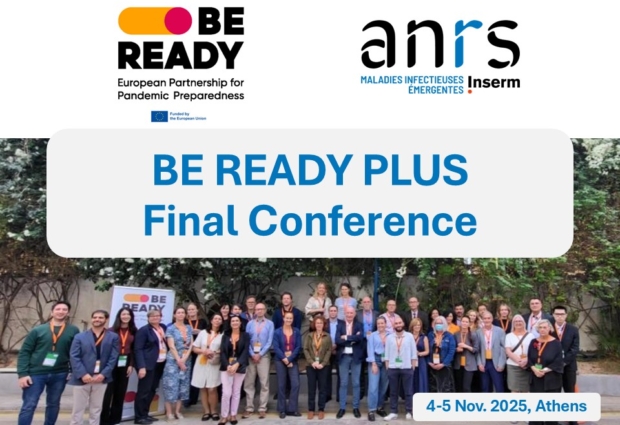
Athens, Greece – November 4-5, 2025
Last updated on 06 November 2025
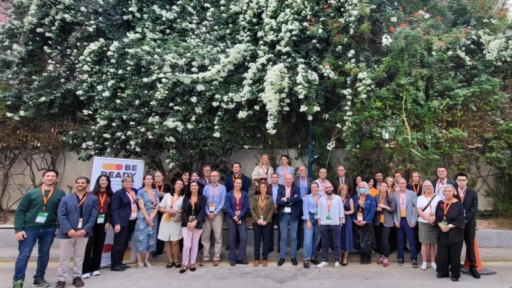
The BE READY PLUS project, funded under Horizon Europe, has officially concluded its mission with a high-level final conference hosted on November 4-5 by the Hellenic Pasteur Institute in Athens, Greece.
Over two days, experts from across Europe gathered to review the project’s achievements and prepare the launch of its successor, the European Partnership for Pandemic Preparedness – BE READY NOW, scheduled to begin in January 2026.
Led by ANRS MIE, with coordination support from Inserm Transfert, BE READY PLUS laid a strong foundation in 2025 for Europe’s long-term pandemic preparedness through collaboration among thirty-one partner institutions from twenty-one countries. Its legacy will directly feed into BE READY NOW, ensuring that Europe moves from planning to action — better equipped, better connected, and ready to respond swiftly to future health threats.
At the BE READY PLUS Final Conference, participants reflected on the project’s main achievements and discussed how to sustain and expand the networks, tools and strategic priorities developed over the past year.
Sessions explored progress across the seven work packages, including coordination, partnership preparation, stakeholder collaboration, scientific support through Joint Transnational Calls (JTC) and the Strategic Research and Innovation Agenda (SRIA), clinical research networking and communication.
With over 60 participants from different countries attending the event both in-person and online, the high level of engagement highlights a strong, shared commitment among experts, policymakers, researchers and civil society representatives to ensure Europe remains well-prepared for future health crises.
A dedicated panel discussion titled “Towards the Future Partnership on Pandemic Preparedness: Strengthening the Role of Citizen Engagement”, moderated by Hervé Raoul (ANRS MIE) and Karin Rainer (AGES) included representatives from the European Commission (DG RTD and HERA), the Hellenic Center for Disease Control and Prevention, the Greek Patients’ Association, and international experts from projects such as SONAR Cities. The discussion underscored the importance of integrating social sciences, citizen engagement and cross-sectoral collaboration in future preparedness initiatives. The local communities must be at the heart of all pandemic response efforts, and we must work towards rebuilding citizen trust.
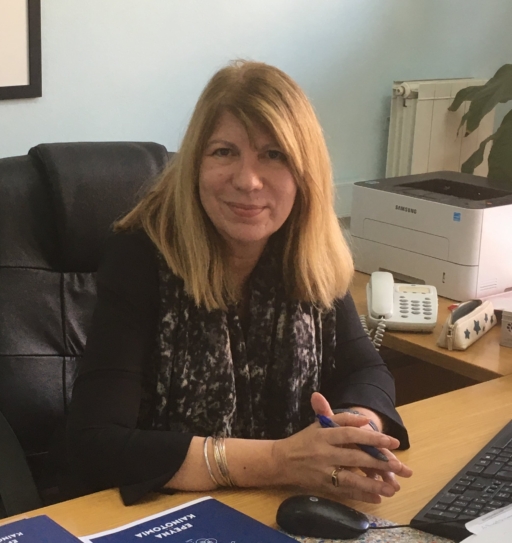
“BE READY PLUS has clearly shown what Europe can achieve when research communities, policymakers and public health institutions work together towards a common goal.
Through this project, we have built the foundations for a stronger and more coordinated European response to future health crises. As we move into the BE READY NOW Partnership, our priority will be to turn these foundations into concrete, long-term action : connecting science and policy, ensuring that the lessons learned are embedded in practice, and strengthening Europe’s collective resilience against future pandemics.”
The upcoming European Partnership for Pandemic Preparedness – BE READY NOW, launching in January 2026, will build directly on the foundations laid by BE READY PLUS.
The developed SRIA, JTC and ever-warm research networks will come into action and build bridges between science, policy, and practice.
Overall, the Partnership will aim to ensure that Europe remains ready to respond swiftly and effectively to future health threats by fostering synergies between research institutions, public health authorities, and policymakers – with stronger coordination, faster response and greater resilience.
As Europe transitions from the BE READY PLUS initiative to the full Partnership phase starting in 2026, the emphasis will remain on strengthening networks, enhancing communication and data sharing, and embedding citizen participation in preparedness governance.
For more information:
Visit the BE READY website: www.beready4pandemics.eu
Follow BE READY PLUS on LinkedIn for updates
Check out the Leaflet to find out more about the upcoming Partnership for Pandemic Preparedness
Press contact:
ANRS MIE: presse@anrs.fr
Project coordination:
ANRS MIE: Hervé Raoul, Laurent Jaboeuf, Natalia Martin, Lilac Becdelièvre, Quentin Gaday, Clara Müller
INSERM Transfert: Sinead Quigley
BE READY website
BE READY is a European partnership for pandemic preparedness, whose goal is to support research and innovation to prevent and respond to emerging infectious disease threats.
21 July 2023