

Last updated on 03 August 2026
PRISME Democratic Republic of the Congo (DRC) is mainly structured around the National Institute for Biomedical Research (INRB), in Kinshasa.
Creation date
2023
Leads
Prof. Steve Ahuka (PRISME Lead), Dr Martine Peeters (France contact)
Physical hosting of the partnership
INRB, Kinshasa, DRC
International technical expert (ITE)
under recruitment
Since the 2000s, scientific collaborations in global health have developed between Congolese and French researchers, mainly around the origin of HIV using a One Health approach. During the 2010s, collaborations intensified with the Ebola epidemics and their scope broadened with research on COVID-19 and mpox.
The first support provided by ANRS MIE was essentially in the form of assistance with funding research projects on HIV infection, in collaboration with the teams of IRD’s TransVIHMI unit. The National Institute for Biomedical Research (INRB), which hosted an IRD international joint laboratory (LMI), thus played a key role in this joint research. The successive Ebola and SARS-CoV-2 epidemics marked a turning point, with the involvement of the French Ministry for Europe and Foreign Affairs, REACTing (before its merger with ANRS) and IRD. A Franco-Congolese roadmap, signed by the presidents of the two countries, formalises this collaboration.
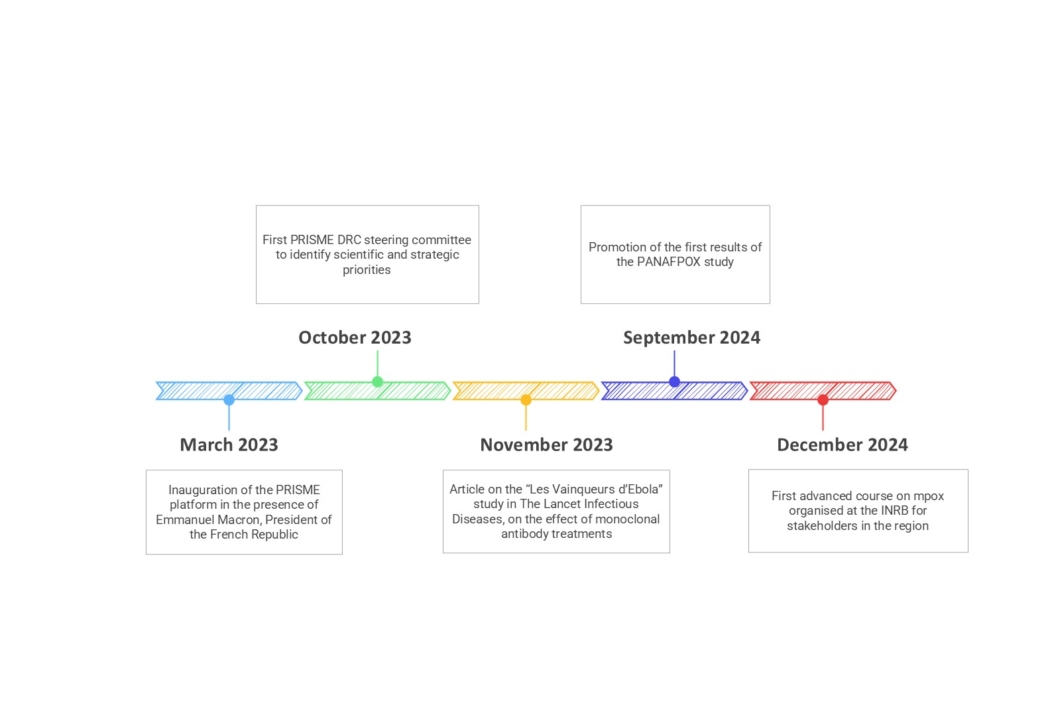
In March 2023, the partnership took on a new dimension with the creation of PRISME DRC, bringing together INRB, ANRS MIE, Inserm, IRD, the universities of Montpellier and Kinshasa, the French Embassy in DRC and the Congolese Ministry of Public Health. This International Research Platform in Global Health aims to strengthen research and training, within a structured and collaborative framework.
The National Institute for Biomedical Research (INRB), based in Kinshasa, is a reference institution in public health and biomedical research in DRC. It plays a key role in surveillance, prevention and response to epidemics, particularly Ebola, HIV, malaria, COVID-19 (coronavirus disease 2019) and mpox. It is involved in training researchers, developing diagnostic support systems and setting up strategies to combat infectious diseases in DRC and Central Africa.
The institute has cutting-edge laboratories dedicated to virology, parasitology, bacteriology, medical entomology, clinical biology and pathology. It also includes an animal research centre, a data centre and a clinical research centre within which the TransVIHMI unit and ANRS MIE are members of the steering committee.
The INRB has been a WHO collaborating centre since 2018 and a reference centre for Africa CDC.

PRISME DRC Lead: Prof. Steve AHUKA
INRB, Kinshasa, Democratic Republic of the Congo

France contact: Dr Martine PEETERS
IRD, Montpellier, France
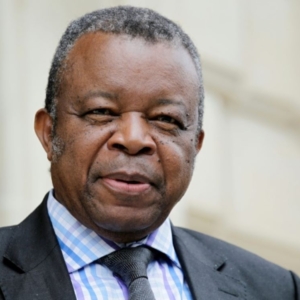
Chair of the PRISME DRC Steering Committee: Prof. Jean-Jacques MUYEMBE
INRB, Kinshasa, Democratic Republic of the Congo
Since the 2000s, French and Congolese researchers have mainly carried out joint work on:
Currently, the main research focuses on Ebola survivors and their medical follow-up, the response to the mpox epidemic through a coordinated approach, and the analysis and prevention of zoonotic transmission risks (ASAMCO/PREZODE).
PRISME DRC contributes significantly to strengthening research and response capacities for emerging infectious diseases in the Democratic Republic of the Congo and in the region.
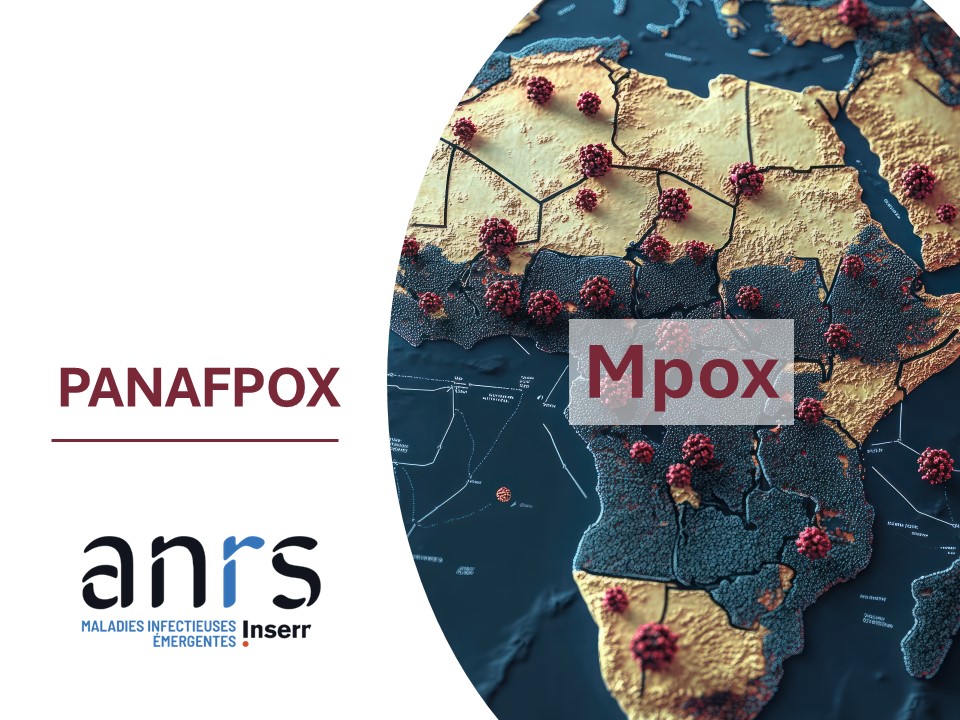
Drawing on its experience in biomedical research and epidemic management, INRB, with the support and collaboration of PRISME DRC stakeholders, plays a leading role in implementing coordinated approaches, as demonstrated by its involvement in the early identification of the re-emergence of mpox (PANAFPOX).
The close collaboration between INRB and University of Kinshasa, and the support of PRISME, foster the emergence of a new generation of young researchers, through strengthened support for students from Master’s to doctoral level, the mobilisation of experts and the development of new teaching programmes. The platform’s stakeholders recently mobilised to offer the first advanced course on mpox in December 2024. The aim of this course was to provide public health and research stakeholders in DRC and in countries in the region with the knowledge and skills needed to manage the health crisis linked to the mpox virus more effectively.
The human, financial and technical commitment of PRISME DRC partners makes it possible to develop structured actions aligned with the Franco-Congolese roadmap for global health research.
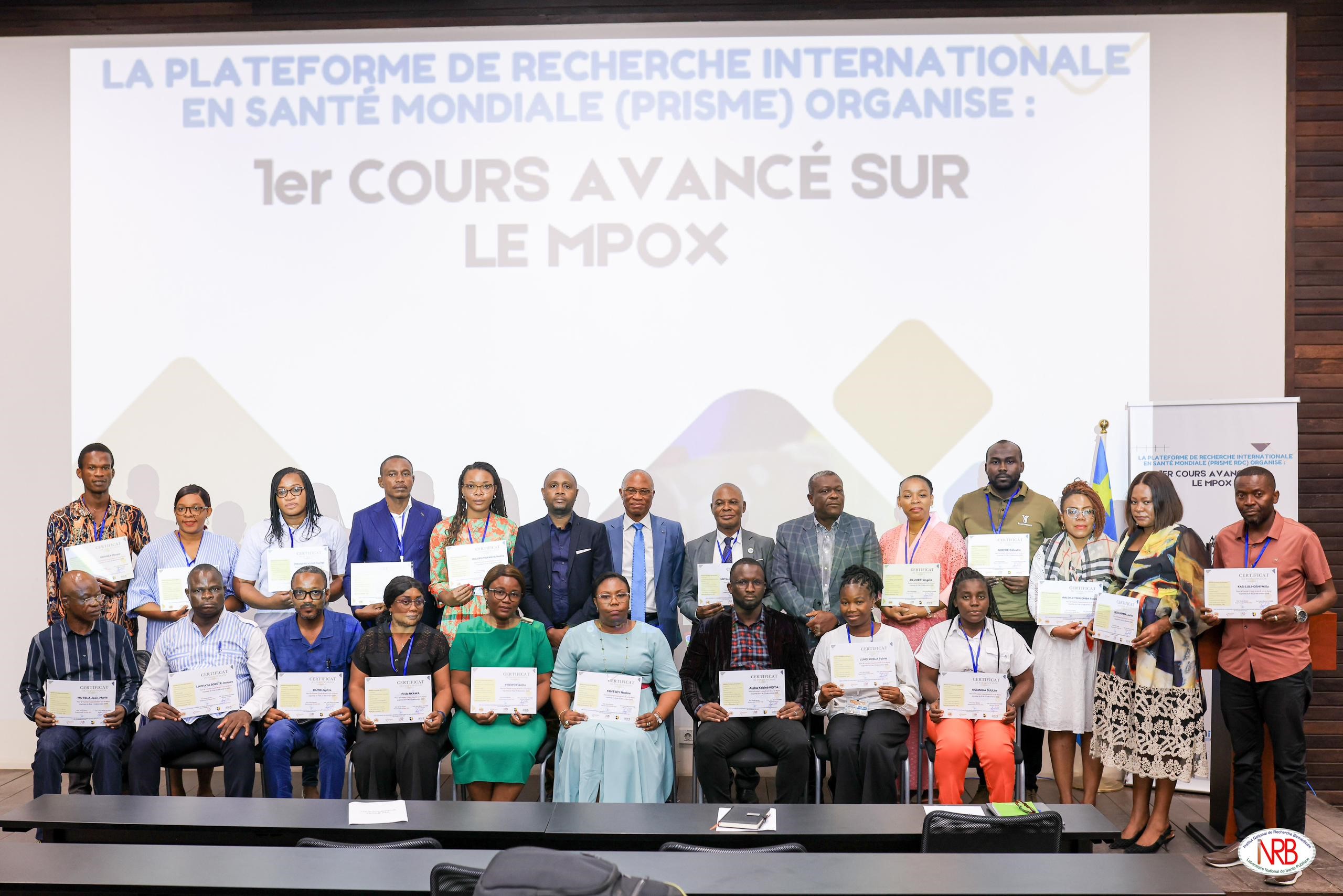
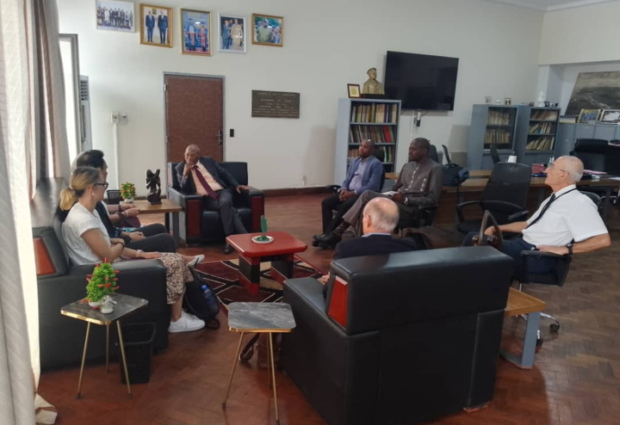
An event organised by PRISME DRC
09 January 2025
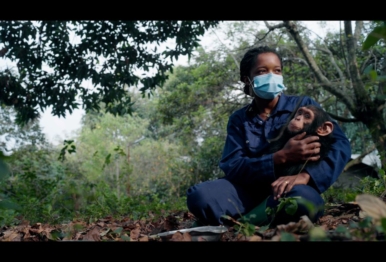
A research project, funded by the ANRS MIE, mapping the zoonotic transmission of tuberculosis in the Democratic Republic of the Congo.
18 May 2026