

BE READY PLUS carried-out an awareness campaign between September and November 2025 to introduce the forthcoming EU Pandemic Preparedness Partnership to citizens.
Last updated on 10 November 2025
European citizens are largely unaware of the role their institutions play in times of crisis, including epidemics. At least, that is what emerges from the 2024 survey conducted by the Eurobarometer polling instrumentused by the European Union (EU).
Between September and November 2025, the BE READY PLUS* consortium carried-out an awareness campaign to introduce the forthcoming EU Pandemic Preparedness Partnership (PPP) to citizens.
The aim of this communication was, first and foremost, to familiarise the public with BE READY NOW ahead of its launch in early 2026 and to explain how the EU is improving preparedness based on recent experience. The other objective was to generate insights into how citizens understand and engage with EU preparedness efforts.
To this end, the consortium published four articles on its website and shared through LinkedIn and partner networks.
Each article addressed a different dimension of preparedness, starting with how coordination works, then showing what’s already happening on the ground, moving to how citizens will be better informed, and finishing with what we’ve learned—and how it’s being/will be put to use:
The campaign relied on a mix of digital and network-based channels to reach citizens and stakeholder communities. The BE READY PLUS website is used for this purpose, as are LinkedIn, newsletters and partner platforms. Civil society is also involved through NGOs and community organisations, especially during relevant awareness-raising days (Health Literacy Month**, One Health Day). Finally, public awareness about epidemic risk benefits from cross-promotion with EU-funded sister projects.
* Building a European strategic Research and Innovation Area in Direct Synergy with EU and International Initiatives for Pandemic Preparedness
** Health literacy refers to how people understand information about health and health care, and how they apply that information to their live
The Covid-19 pandemic has dramatically demonstrated how ill-prepared we were to face epidemic threats.
The European Partnership for Pandemic Preparedness has been created to predict, prevent, and respond to future health threats. By pooling expertise and funding, Europe avoids duplication and ensures that the most urgent questions are answered together. The partnership relies on organisations from various countries to ensure ensure a cross-cutting and interdisciplinary One Health approach.
This partnership, led by ANRS MIE/Inserm with coordination support from Inserm Transfert, is structured around three consortia over time:
A significant milestone in shaping Europe’s future Pandemic Preparedness and Response
15 April 2025
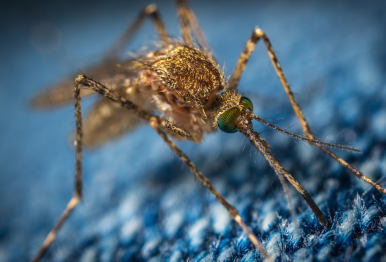
20 August marks World Mosquito Day, commemorating a critical discovery made by Dr Ross in 1897, who first made the link that female mosquitoes transmit malaria between humans. Above all, it is an opportunity to raise public awareness of the health risks associated with mosquitoes and the diseases…
20 August 2025