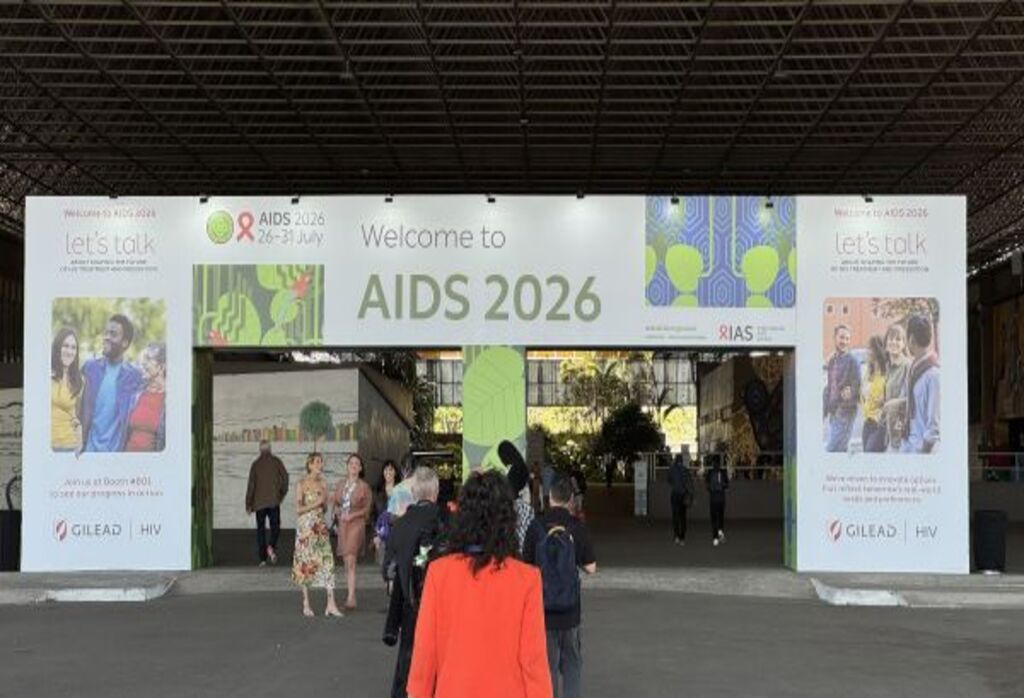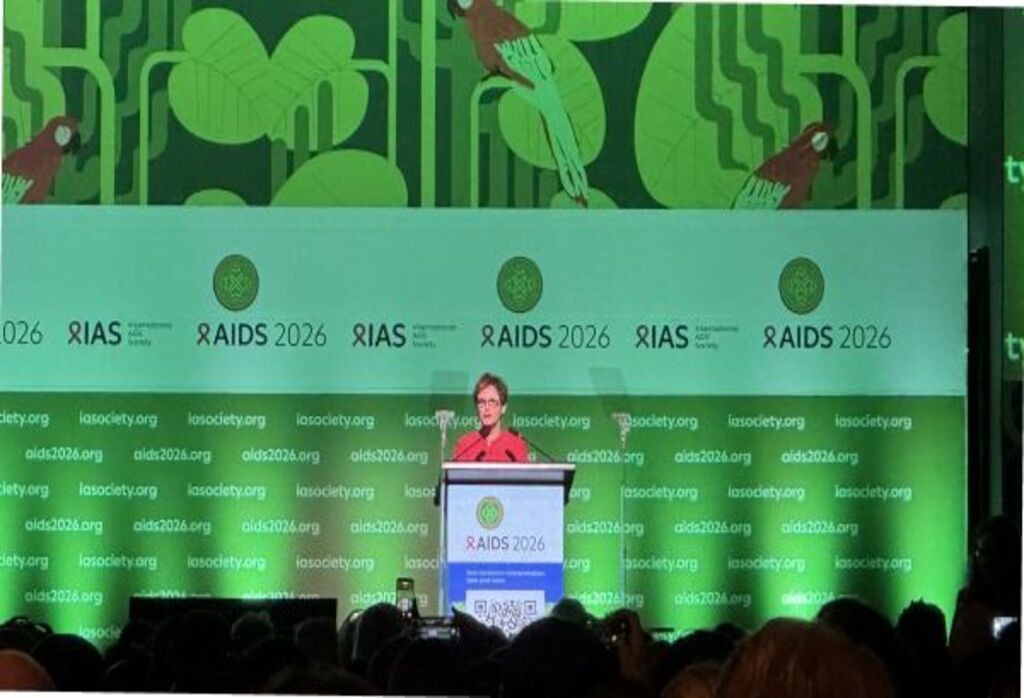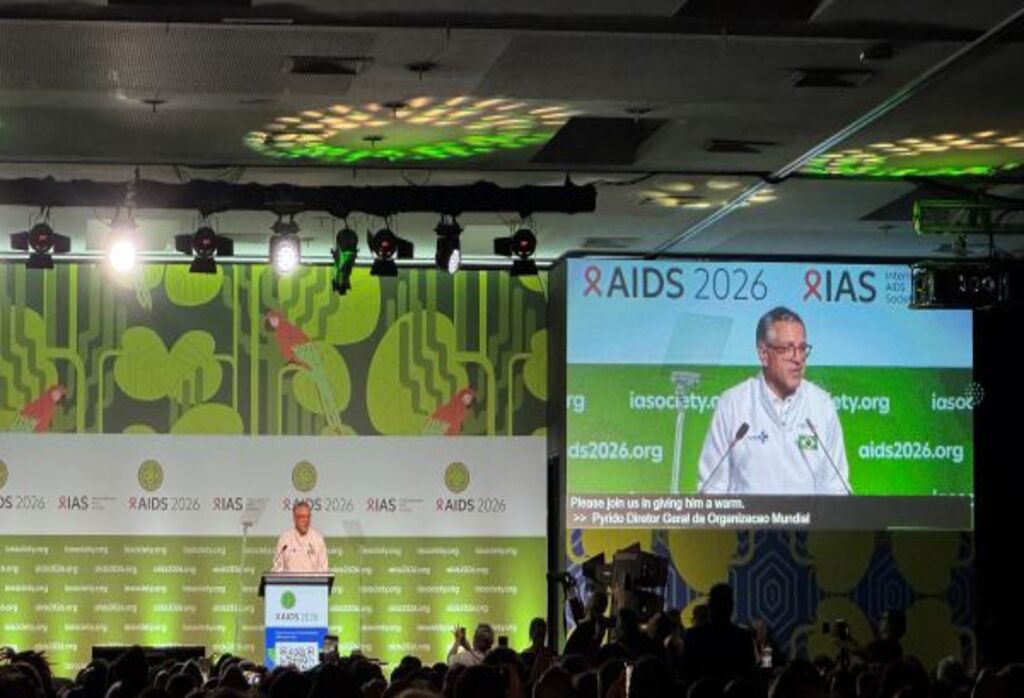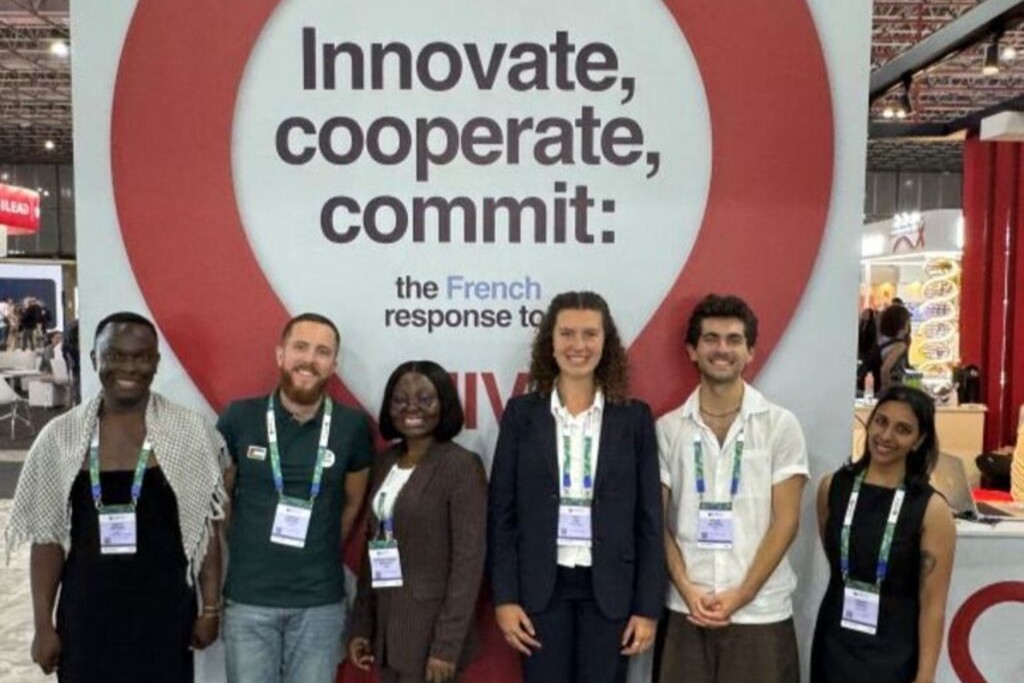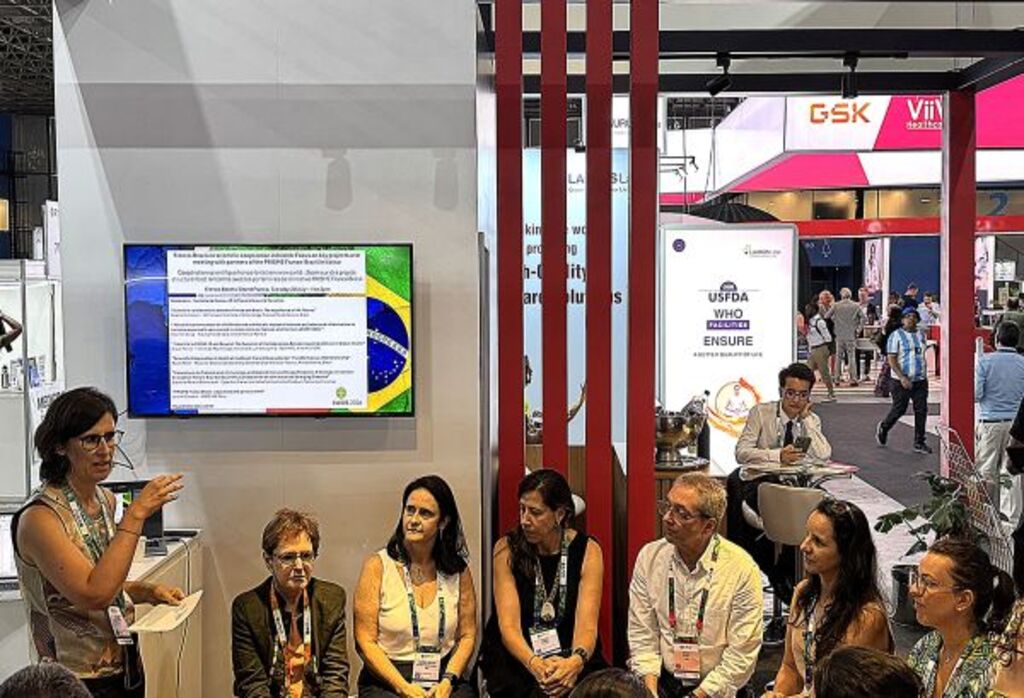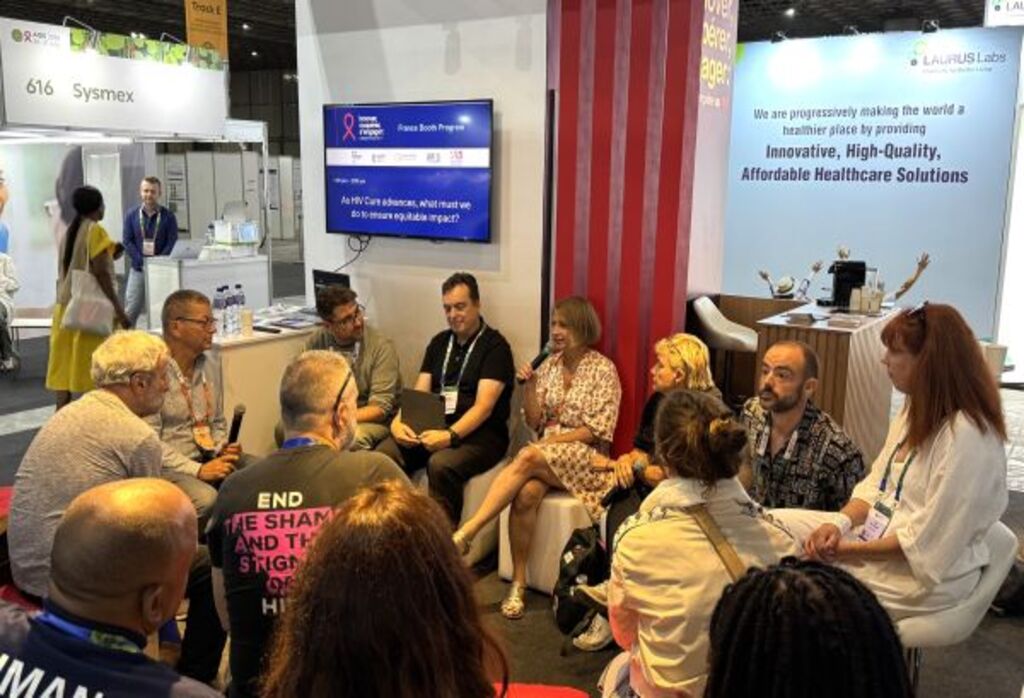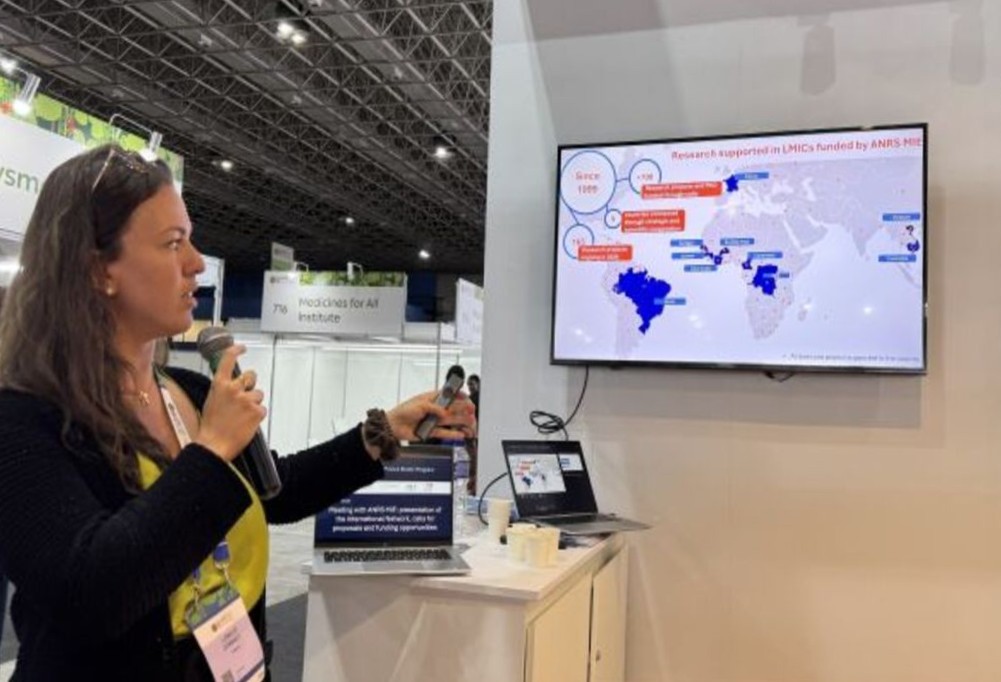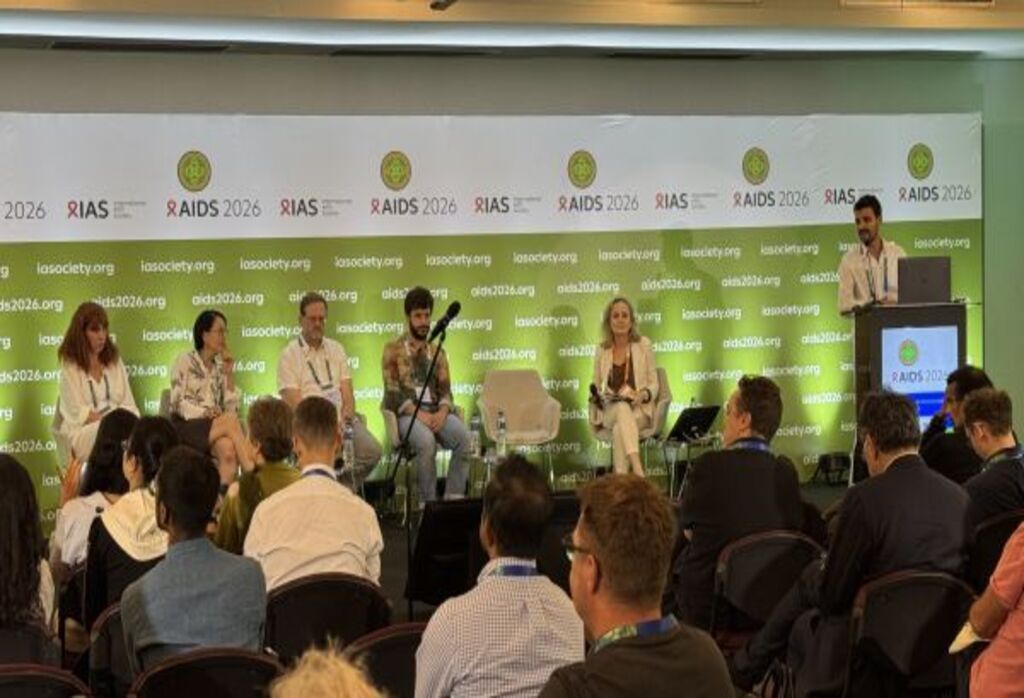
AIDS 2026, the 26th International AIDS Conference took place in Rio de Janeiro, Brazil, from 26 to 31 July 2026, in the Riocentro.
From 26 to 31 July 2026
The International AIDS Society (IAS) organised the 26th edition of the International AIDS Conference this year.
The conference brought together people living with HIV, researchers, policy-makers, healthcare professionals, donors, the media and communities, centred on the theme: “Rethink. Rebuild. Rise.” “
The ANRS MIE was present :
AIDS 2026 took place in a context marked by major developments in the HIV response, particularly regarding programme funding and organisation. This event represents an important opportunity to analyse ongoing dynamics and identify future priorities.
The conference highlighted the conditions needed to sustain scientific and operational progress in the fight against HIV. It provided a forum for discussion on issues related to research, clinical trials and the integration of scientific knowledge into health strategies.
In this context, AIDS 2026 structured around five strategic priorities aimed at supporting innovation, strengthening prevention approaches and promoting the implementation of coordinated responses:
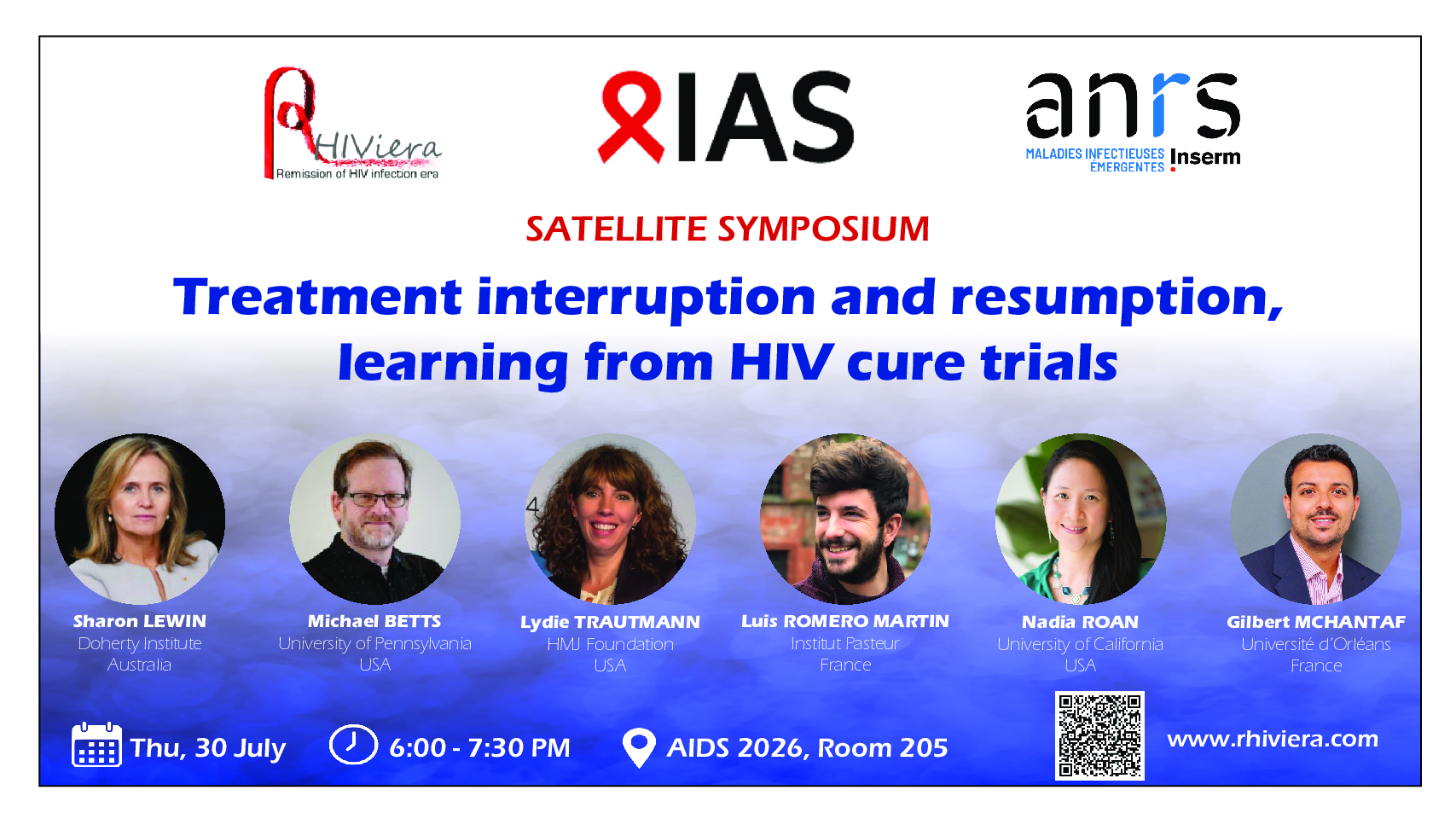
Organised by the ANRS RHIVIERA consortium, this satellite symposium focused on the theme: “Treatment interruption and treatment resumption: lessons learned from HIV cure clinical trials.” It took place on 30 July, from 6:00 to 7:30 p.m.
This satellite explored current advances and challenges in analytical treatment interruption (ATI) research as a means to understand post-ART viral dynamics.
Drawing on findings from RHIVIERA and other international studies, the session examined the immunovirological mechanisms underlying viral rebound and post-treatment control, the evolution of infection after ART resumption, and the lived experience of study participants.
By integrating insights from diverse ATI studies and therapeutic trials, the aim of this workshop was to encourage dialogue between clinicians, researchers, and community representatives, and to identify emerging therapeutic opportunities that may pave the way toward sustained HIV remission.
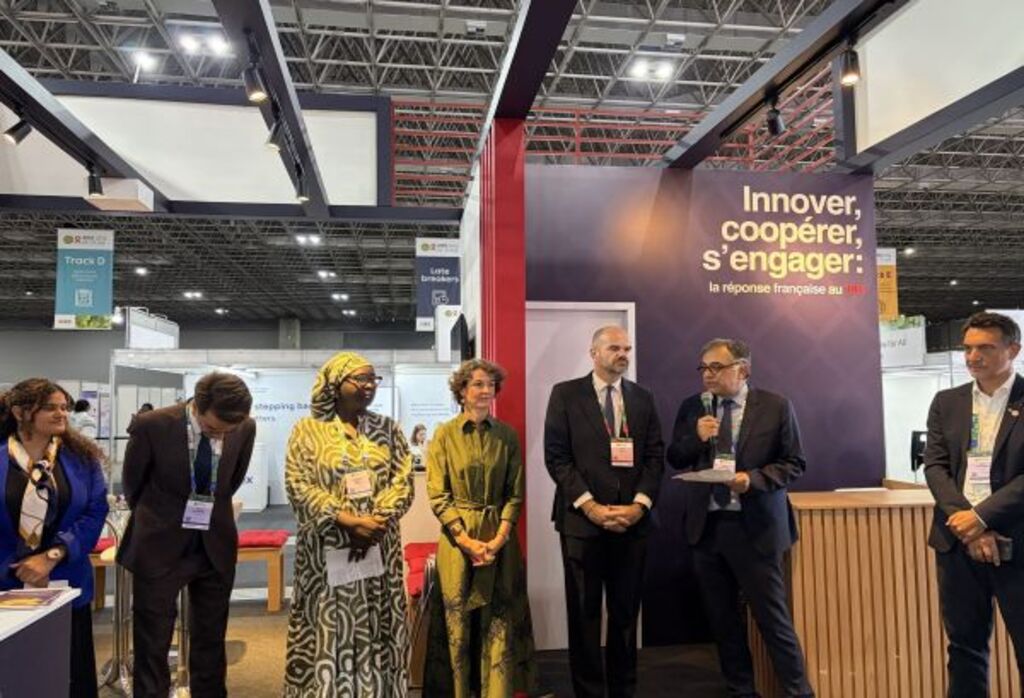
The agency will be present at the France stand alongside our partners: the Ministry for Europe and Foreign Affairs, the IRD, Expertise France and Santé publique France.
Tuesday, 10.30 am – 11.30 am – Official opening of the France booth
Tuesday, 1.00 pm – 2.00 pm – Round table – ANRS MIE
Tuesday, 3.30 pm – 4.30 pm – Meeting – ANRS MIE
Wednesday, 10.00 am – 11.00 am – Round table
Wednesday, 1.00 pm – 2.00 pm – Round table
Wednesday, 3.30 pm – 4.30 pm – Roundtable – The Initiative
Thursday, 10.00 am – 11.00 am – Roundtable – Ministry of Health & Santé publique France
Thursday, 1.00 pm – 2.00 pm – Q&A session – ANRS MIE
Thursday, 2.30 pm – 3.30 pm – Meeting – ANRS MIE
|
Title
|
Presented by
|
|---|---|
|
RHIVIERA-01: analytical treatment interruption in early-treated people with B35(53)-Bw4TTC2 genotype – Oral presentation |
Asier Saez-Cirion |
|
Back to PrEP à Porter: addressing lost to follow-up participants in a community-based multidisciplinary PrEP implementation strategy for trans women in Paris – Oral presentation |
Frederico Pipitone |
|
Innate immune signatures of post-interventional control in very early-treated women living with clade C HIV (FRESH cohort) – Oral presentation |
Yanis Merad |
|
Cytotoxic CX3CR1high resident memory CD8+ T cells contain most of HIV-1-specific cells but are depleted in the colonic mucosa of people with HIV on ART – Poster |
Nived Collercandy |
|
Effect of tecovirimat on MPXV DNA clearance in participants randomized in the ANRS 0576s UNITY trial – Poster |
Constance Delaugerre |
|
Identifying a high-risk period for suicide attempts among transgender women living with HIV (ANRS-Trans&HIV) – Poster |
Raymond Van Huizen |
|
“I truly felt like a woman”: Impact of integrated gender-affirming care on acceptability of PrEP à Porter, a community‑based multidisciplinary PrEP implementation strategy for transgender women in Paris – Poster |
Federico Pipitone |
|
“You take what I take, so you’re dead”: external and internal HIV stigma in migrant transfeminine communities in Paris in the age of PrEP – Poster |
Clark Pignedoli |
|
Violence, housing instability, and undocumented status: social adversity and suicide attempts among transgender women living with HIV (ANRS-Trans&HIV) – Poster |
Bruno Spire |
|
Inflammatory profile of memory NK cells is associated to low titers of yellow fever neutralizing antibodies after one year of vaccination in PLWHIV and non-HIV individuals – ANRS12403 – Poster |
Carmem Beatriz Wagner Giacoia-Gripp |