

Last updated on 11 September 2026
The working group on Infodemic and Epidemic Crises was established in September 2024, initially in response to the resurgence of the mpox epidemic in the DRC and neighbouring countries, with a view to broadening its scope to other epidemic crises.
Its objectives are:
The WG’s originality lies in particular in its diversity:
The first meetings of the WG, which aimed to share expertise in order to promote acculturation within the group, consisted of presentations of research work by experts from different disciplines. These presentations were followed by discussions that encouraged coordination of thinking on the infodemic and epidemic crises, with a view to designing an innovative and multidisciplinary research project.
These reflections led to the design of studies and the submission of research projects in response to calls for proposals from ANRS MIE.
This socio-anthropological case study aims to explore how information about the human metapneumovirus (HMPV) respiratory virus is constructed and propagated within the digital public sphere in order to map the discourse and sources of influence of this information. This study was conducted in January and February 2025.
Further research opportunities are opening up for the Infodemic Working Group following the chikungunya vaccination campaign in Réunion, as well as within the framework of the 2025 call for projects from the PEPR MIE.
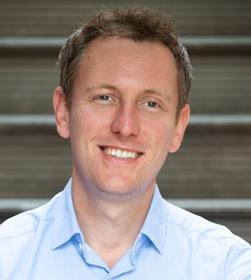
Léonard Heyerdahl
Institut Pasteur
Romay Sauvayre
Université Clermont Auvergne / CNRS
The WG brings together around thirty experts from a range of disciplines: anthropology, sociology, psychology, epidemiology, infectious diseases, information and communication sciences, data sciences, and communication.
These experts come from a variety of institutions: higher education establishments and scientific research organisations (EHESS, University of Zurich, UCAD, INSERM, Institut Pasteur, IRD, CNRS, etc.), hospitals, health agencies (WHO, Santé Publique France, Expertise France, etc.) and NGOs in France and in low- and middle-income countries.
The geographical diversity of the WG is also noteworthy, with members in Europe (France and Overseas France, Switzerland) and Africa (Burkina Faso, Senegal, DRC, Ivory Coast, Cameroon, Guinea).
Romy Sauvayre is a sociologist and senior lecturer in sociology at the University of Clermont Auvergne and the CNRS (LAPSCO).
Léonard Heyerdahl is a senior research fellow specialising in computational social sciences at the Pasteur Institute.
Romy Sauvayre: Throughout the history of societies, the dissemination of information has always gone hand in hand with the manipulation of information. The infodemic is therefore what we might call a social constant. What is new today is the dissemination of information: it is faster, more abundant and has a much greater reach. Furthermore, the algorithmic functioning of social media fuels a phenomenon of engagement that facilitates the sharing of false information, even before it has had time to be verified by a third party.
Léonard Heyerdahl: Apart from the overabundance, what also characterises current infodemics are the new forms of information distribution (false, accurate, uncertain): the proliferation of information channels thanks to social media, the growing presence of disinformation actors, and the wave of content generated by artificial intelligence. All of these contribute to the phenomenon and, in particular, exacerbate the central problem of trust in scientists, decision-makers and strategies for combating epidemics..
R.S. : Every new scientific discovery or piece of information is accompanied by its share of rumours. To tackle this mistrust of science, we need to equip ourselves to better recognise the signs of an infodemic and learn to effectively sift through the flow of information.
L.H. : Above all, we must not succumb to the temptation to try to control information, as one of the harmful effects of this would be to provide further justification for mistrust of public authorities. Furthermore, the use of ‘fact-checking’ is not always helpful. It neither resolves the issue of trust (in the person verifying the information, in this case) nor curbs the glut of new false information in circulation. Preventive approaches, such as “pre-bunking”, will no doubt play a greater part in helping us collectively learn to recognise and counter false information over time.
R.S.: Until now, the experts in the Infodemic Working Group have been there to respond to requests from the ANRS MIE in the event of an epidemic. Our aim is now to become more autonomous, both by continuing to set up research projects and by developing action research, providing tools and indicators to public authorities to help them respond more effectively in the event of an infodemic.
L.H.: Our aim is to take the pooling of knowledge, perspectives and tools a step further, in the form of the first observatory on health infodemics. The stakes are high: infodemics represent a systemic risk that erodes public trust and, ultimately, our collective ability to tackle epidemics and other emerging health risks.