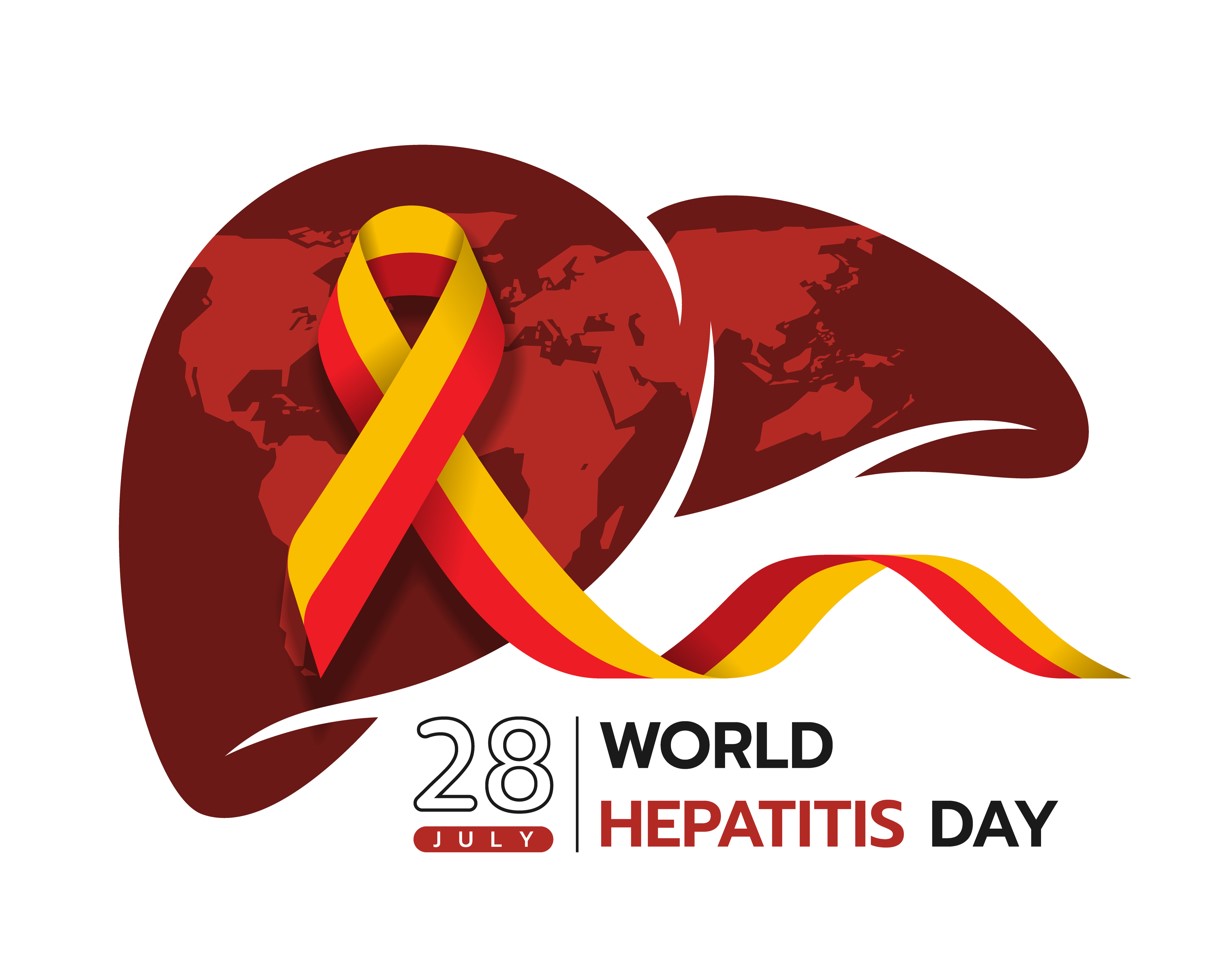
World Hepatitis Day, on 28 July, is an opportunity to step up international efforts to combat this disease and strengthen measures to improve access to screening and treatment services. Focus on the action taken by ANRS Emerging infectious diseases in response to this epidemic.
Last updated on 29 July 2025
World Hepatitis Day takes place every year on 28 July. This year’s theme is: ‘Hepatitis: Let’s break it down.’ ANRS Emerging infectious diseases is committed to support numerous research projects, including:
ANRS Emerging infectious diseases continues to mobilise to advance research on viral hepatitis and provide solutions for the millions of people who suffer from it.
This World Hepatitis Day is an opportunity to learn about the HEPATHER cohort, supported and promoted by ANRS MIE, which aims to improve knowledge about hepatitis B and C and their management.
Launched in 2012, the ANRS CO22 HEPATHER national cohort is a multicentre observational study that follows 20,857 patients with hepatitis B and/or C, either in the chronic phase or after recovery. Designed to document the natural history of these infections, it aims to evaluate the efficacy and tolerance of treatments in real-world conditions, identify prognostic factors for liver disease progression, and provide a solid basis for translational research.
The protocol is based on longitudinal follow-up over 7 to 10 years, incorporating prospective collection of clinical, biological and social data. Enrolment closed on 30 April 2019, and visits were completed on 31 December 2024.
Since its launch, HEPATHER has made a significant contribution to research, with 70 conference presentations and 59 scientific publications. In particular, it has produced major findings on the clinical efficacy and safety of direct-acting antivirals (DAAs) in the treatment of hepatitis C. These findings have led to changes in national recommendations for patient care.

The cohort was established in 2012 with a very ambitious goal: to include approximately 15,000 patients with hepatitis C and 10,000 with hepatitis B, recruited from hepatology centres throughout France, with the support of the French Association for the Study of the Liver (AFEF). Ultimately, we achieved the goal for hepatitis C with 15,000 inclusions, and included 6,000 patients for hepatitis B. At that time, it was the largest cohort in the Western world on viral hepatitis.
It was thanks to this scale that we were able to document in a very robust manner the real impact of direct-acting antivirals against the hepatitis C virus, showing a significant reduction in mortality, the risk of liver cancer and hepatic decompensation in treated patients.
Follow-up of patients with hepatitis C is now complete, given the effectiveness of current treatments, but the study is continuing for patients with hepatitis B.
An ancillary study, HEPAT-B, is following on from the HEPATHER cohort, focusing on patients with hepatitis B. Follow-up of the 5,000 to 6,000 patients already included in HEPATHER will be extended, with new clinical and biological data being collected. The aim of this new national cohort dedicated to HBV is to document the efficacy of current and future treatments for hepatitis B, but also to identify early biomarkers of complications, such as liver cancer.
“One of the major challenges today in hepatitis B is achieving what is known as a functional cure. That is, eliminating the HBs antigen, which is a marker of chronic infection. The problem is that even after it disappears, the virus’s DNA can persist in cells and reactivate. What we hope to achieve with HEPAT-B is to identify biomarkers that predict this response to treatment and to better understand the residual risks so that we can eventually stop treatment in certain patients.”
Pr Fabrice Carrat, Scientific director of the HEPATHER cohort
Numerous scientific publications (see the list here) have been produced by the HEPATHER cohort. This is the case, for example, with the research work of Pr Patrick Soussan, who is interested in genome diversity and the distribution of HBV viral particles during the four main phases of viral infection.

Patrick Soussan: The project ‘Diversity of the genome of circulating HBV viral particles: Impact during viral infection’ arose from a discovery that surprised the scientific community: in addition to the ‘classic’ viral particles of the hepatitis B virus, which contain DNA, viral particles containing RNA were identified in infected patients. This was completely unexpected. At the time, it was not known whether these particles were accidental or whether they could play a role in the disease.
Patrick Soussan: My objective was to describe the diversity of viral forms and to better understand it. We know that the hepatitis B virus is capable of generating different forms of viral particles, for example via a mechanism called alternative splicing. We wanted to explore the four main families of particles circulating in patients’ blood: those containing complete DNA, those with spliced DNA, those with complete RNA, and those with spliced RNA. This approach was very focused on the biology of the virus, but with potential implications for understanding the disease.
Patrick Soussan: At the time, there was only one large cohort in France that allowed for the study of chronic HBV carriers: the HEPATHER cohort. In order to conduct my study, I had to present my project to the cohort’s scientific committee. Once I had their green light, I was able to access the biological samples and associated data. Without this cohort, this project would simply not have been possible.
We worked from an initial set of 162 patients included in the cohort between 2012 and 2016. After rigorous sorting – particularly because some samples no longer corresponded to the active phase of the disease – we retained patients for whom we could establish a good correlation between clinical data and what we measured in the samples. We then quantified the different forms of viral particles present in their serum and studied their distribution according to the different phases of chronic infection. This enabled us to assess their effects on the viral cycle, in particular using cellular models.
Patrick Soussan: Today, patients with hepatitis B are classified according to well-established virological and clinical criteria. What our study shows is that the composition of the ‘virome’ – i.e. the diversity of circulating viral particles – could be an additional marker. In the long term, it may be possible to refine the classification of patients and even better anticipate the progression of the disease.
Our results show that:
This work was published in the journal Hepatology International in 2022, which describes both the diversity of viral forms and their distribution according to the different phases of chronic infection.
Find the publication: Sotty, J., Bablon, P., Lekbaby, B. et al. Diversity of the nucleic acid forms of circulating HBV in chronically infected patients and its impact on viral cycle. Hepatol Int 16, 1259–1272 (2022). https://doi.org/10.1007/s12072-022-10389-6
ANRS MIE funds projects in low- and middle-income countries (LMICs), particularly through the International Network. Among all the projects carried out, discover two projects on the prevention of mother-to-child transmission of hepatitis B.
The ANRS 12417 TOPCHIB study aims to evaluate the feasibility, effectiveness, and cost-effectiveness of antiviral treatment given to pregnant women with a high viral load or detectable hepatitis B virus E antigen (HBeAg) levels in order to prevent mother-to-child transmission (MTCT) of HBV in a real-life setting.
This study is being conducted in the Tokombéré district, where the prevalence of hepatitis B is approximately 20% and where antiviral treatments for pregnant women have long been in place to prevent mother-to-child transmission of HIV, with complete success.
The study began in 2023, with enrolment expected to end in the second half of 2026.
The ANRS 0562s HIPOCAMP study is a clinical trial that also forms part of efforts to eliminate mother-to-child transmission of the hepatitis B virus. It is a multicentre therapeutic trial that will be conducted in five countries: three in Africa (Cameroon, Ivory Coast and Togo) and two in Asia (Cambodia and Vietnam). A total of 3,200 pregnant women will be included and followed up for up to nine months after giving birth.
Two strategies will be compared:
The study will also examine the feasibility and acceptance of the strategies in different countries, the perceptions of women and healthcare staff, cost-effectiveness, national policies and the potential for applying the results on a large scale. Enrolment is scheduled to begin in October 2025, and the trial is expected to end in June 2028.
ANRS MIE brings together researchers and experts in various groups: coordinated actions (CA), working groups and sub-groups, networks, task forces, etc.
Among the expert groups involved in hepatitis research, the HBV Cure Task Force promotes ambitious and innovative research on the theme of curing hepatitis B in France and internationally. In addition, the coordinated action on Viral Hepatitis Basic and Translational Research (CA42) is working on new concepts and directions for prevention and therapy, notably through three working groups: Virus-Cell Interactions, Immunology and Pathogenesis. You can also find out more about the ANRS MIE’s work on hepatitis D through the presentation of the HEPDELTA cohort.

This Coordinated Action drives basic and translational research in the field of viral hepatitis. It explores new areas of interest, establishes future directions and supports researchers in the maturation of their projects.

The ANRS CO22 HEPATHER cohort is entitled ‘Therapeutic options in hepatitis B and C: a French national cohort’.
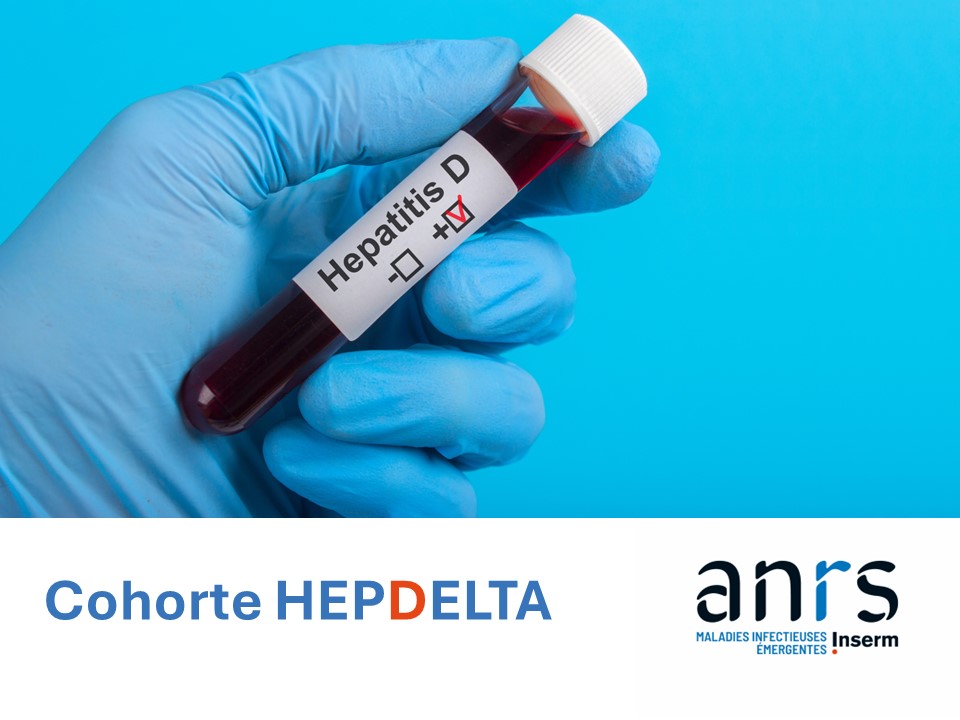
National cohort of patients co-infected with hepatitis B and Delta viruses
To mark the anniversary of the discovery, on 24 March 1882, of the bacillus responsible for tuberculosis by Dr Robert Koch.
24 March 2026