

The agency focuses on research into HIV/AIDS, viral hepatitis, sexually transmitted infections, tuberculosis and emerging infectious diseases (in particular viral haemorrhagic fevers, arboviruses and emerging respiratory infections, including Covid-19).
Last updated on 29 June 2026
Discover below the main diseases and pathogens for which ANRS MIE is involved in research projects to improve their understanding, prevention, diagnosis and treatment.
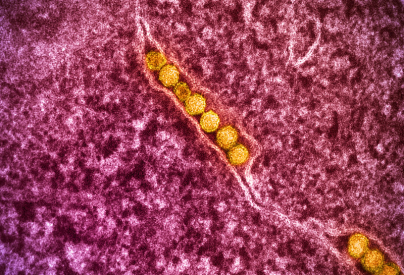
Arboviral infections are caused by arbovirus transmitted by certain types of blood-feeding arthropods.

Avian influenza, also known as bird flu or formerly fowl plague, caused by A strains of the influenza virus, is an infectious disease affecting wild and domestic birds.
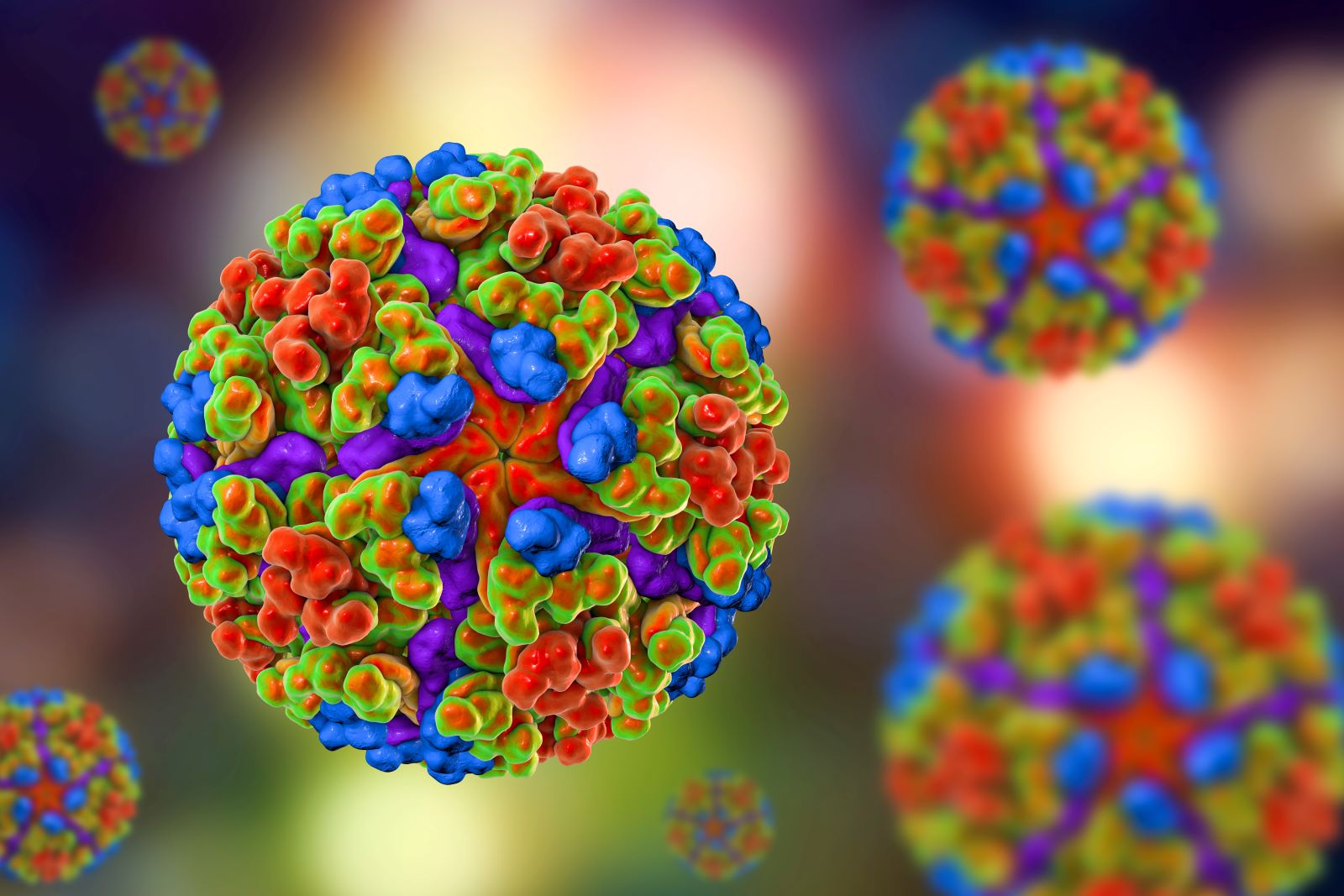
Chikungunya is an infectious disease caused by an arbovirus, the chikungunya virus. Chikungunya can now be found in non-tropical regions, including Europe.
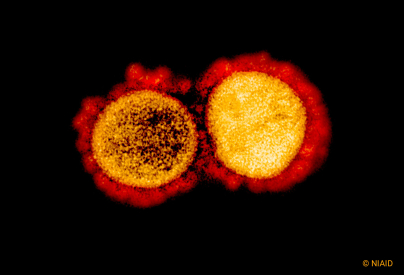
Coronavirus disease 2019 (COVID-19) is an infectious disease caused by the SARS-CoV-2 virus.

Dengue is an infectious disease caused by the dengue virus, an arbovirus. It is the most widespread human arboviral disease in the world.
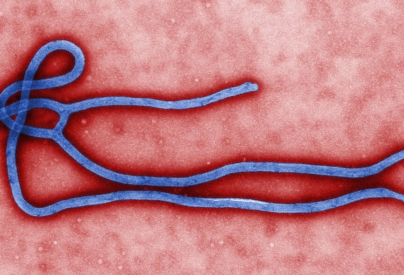
Ebola virus disease is a rare but often fatal illness in humans. Three viruses (or strains) are primarily responsible for it: Ebola (Zaire), Sudan and Bundibugyo.
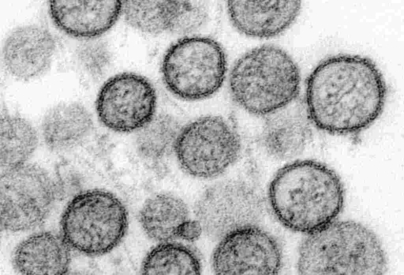
Hantaviruses are a family of viruses that are usually transmitted by rodents. This zoonotic disease can lead to two syndromes of varying severity, some of which can be fatal.
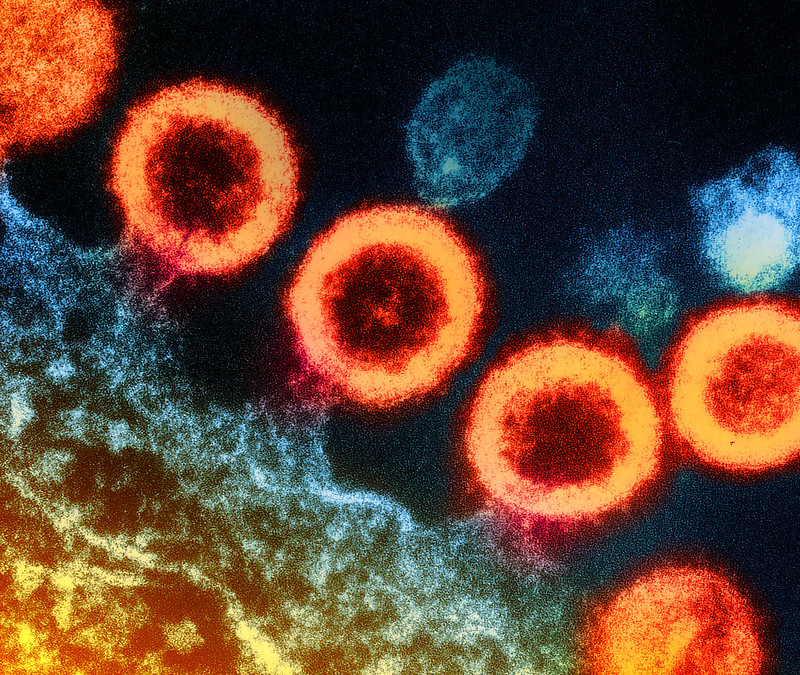
The human immunodeficiency virus (HIV), which causes AIDS, affects around 38 million people worldwide, according to the WHO.

Long Covid is a condition caused by SARS-CoV-2 infection in which symptoms persist for more than two months.
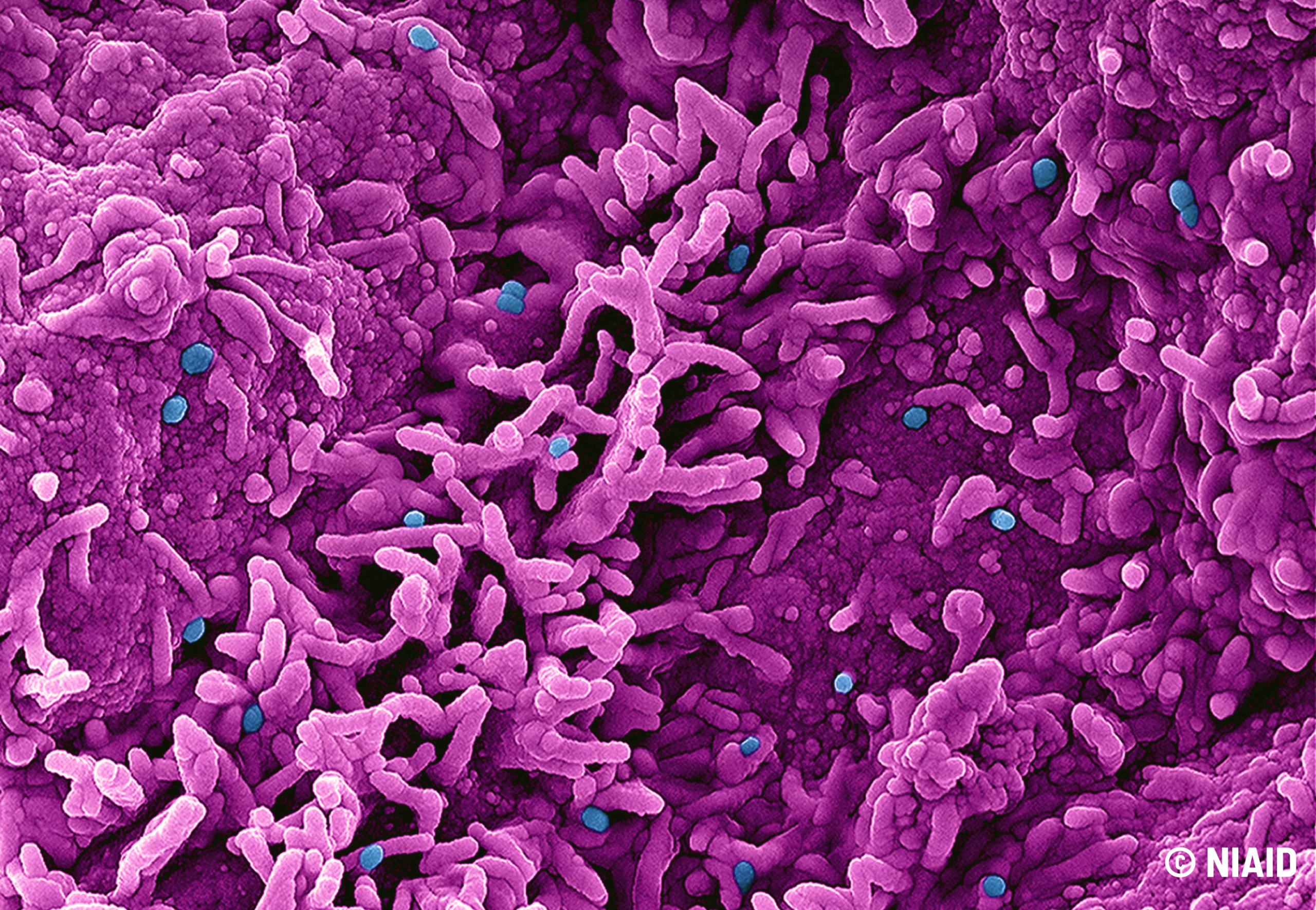
Mpox (formerly known as monkeypox) is a disease that has been circulating for decades in West and Central Africa.
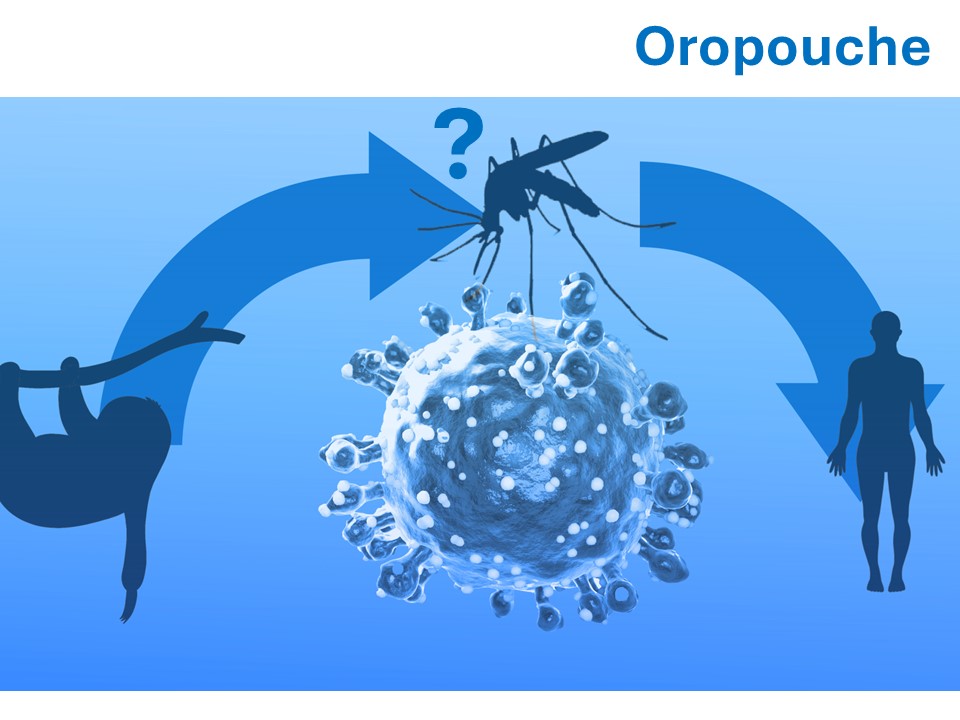
Oropouche virus disease is an arboviral disease actively circulating in several regions of Central and South America and the Caribbean.

The majority of sexually transmitted infections (STIs) are caused by bacteria or parasites.
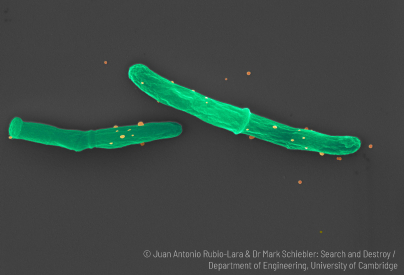
Tuberculosis is one of the deadliest infectious diseases. Every day, around 28 000 people contract it and over 4 100 people die from it, according to the WHO.
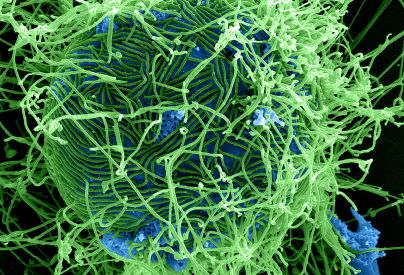
Viral haemorrhagic fevers (VHFs) encompass various diseases (Ebola, Lassa fever, Marburg fever, Crimean–Congo fever, etc.).
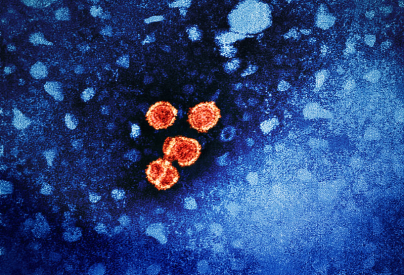
Viral hepatitis is inflammation of the liver caused by any of the viruses A, B, C, D and E
West Nile fever is an infectious disease caused by an arbovirus belonging to the Flaviviridae family. It is currently found in Africa, Europe, the Middle East, North America and Western Asia.