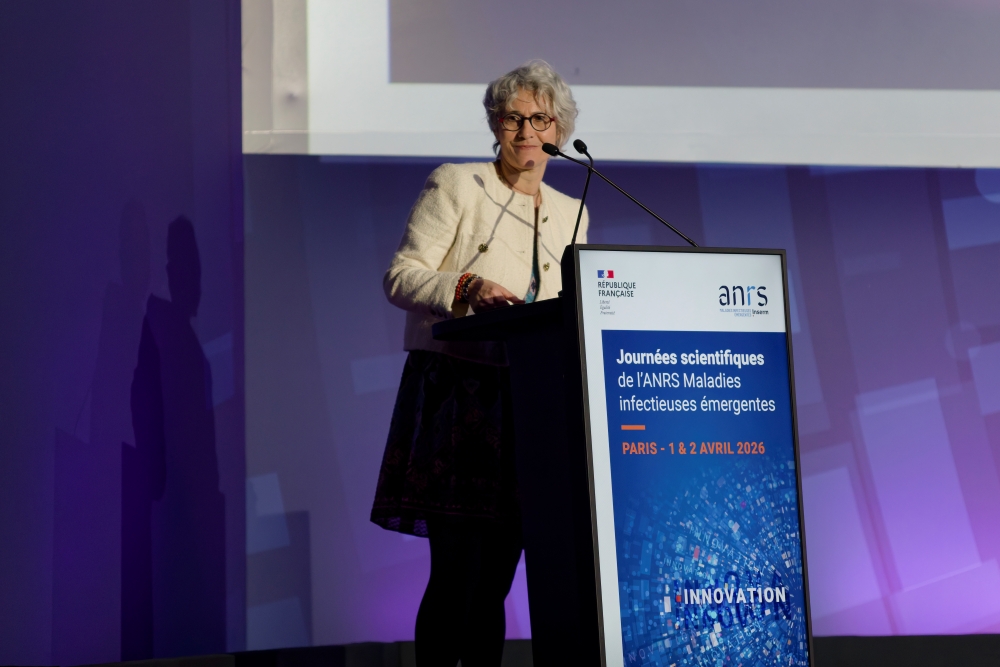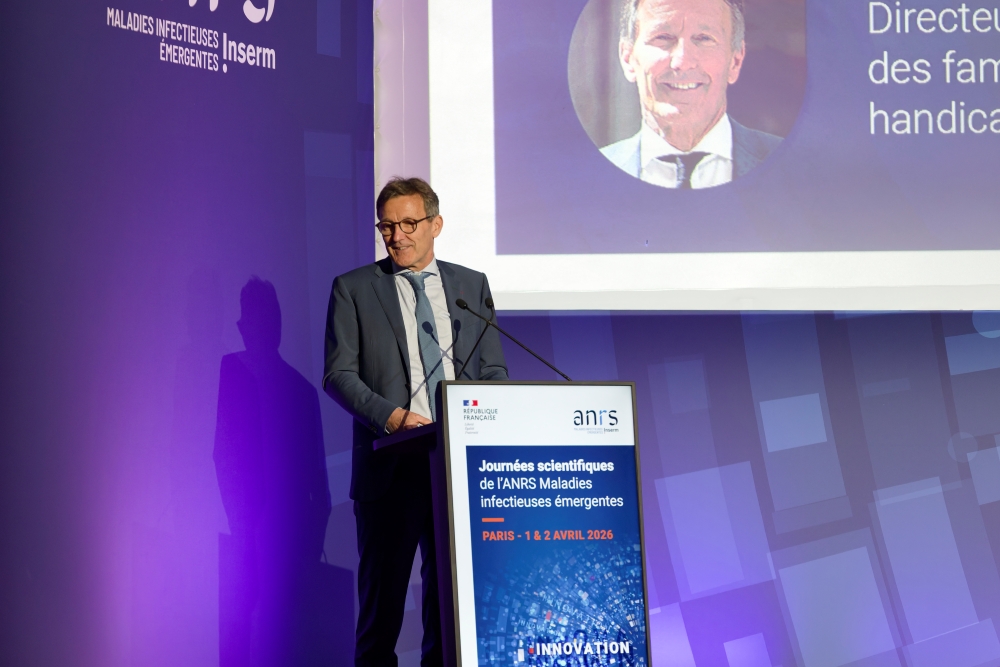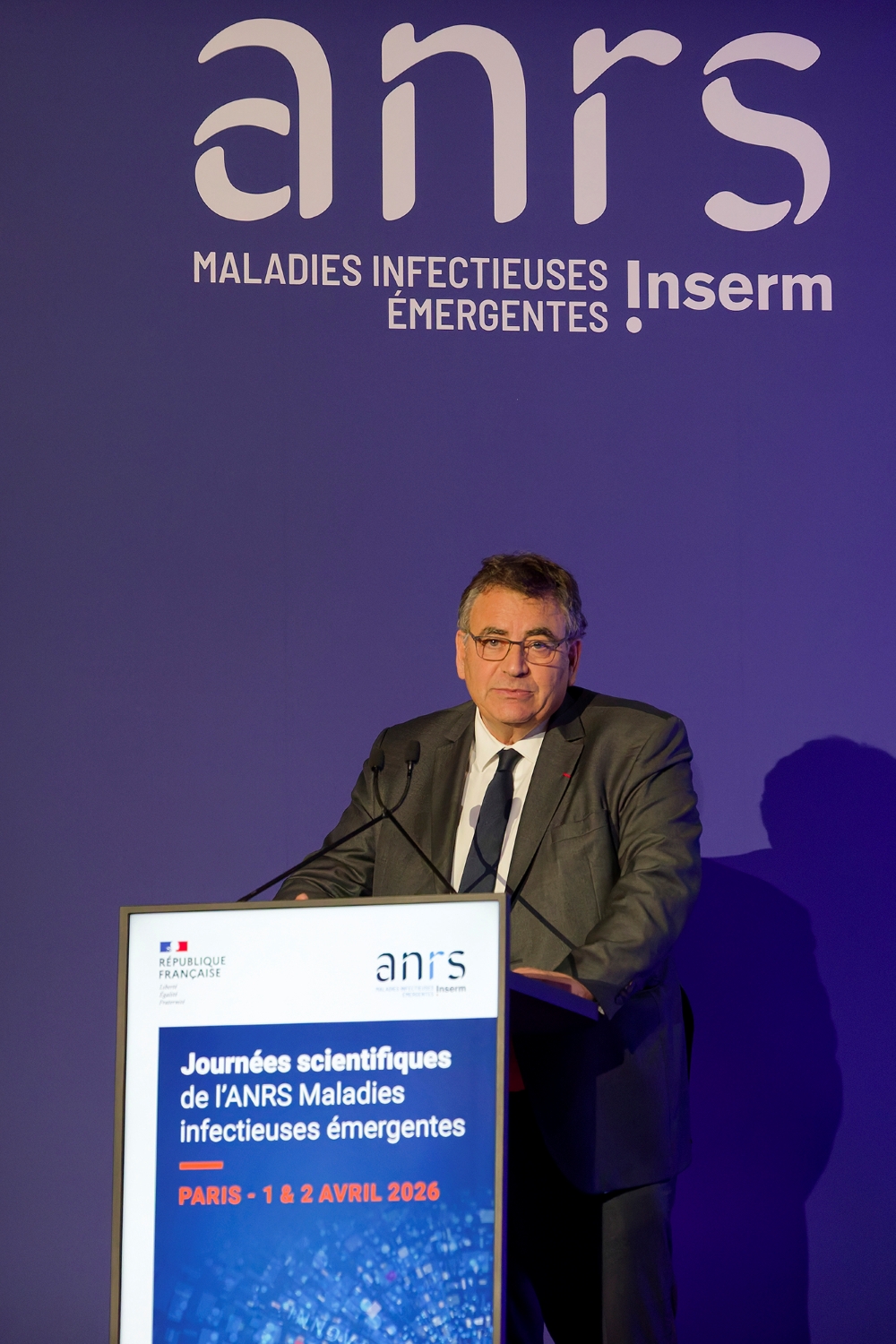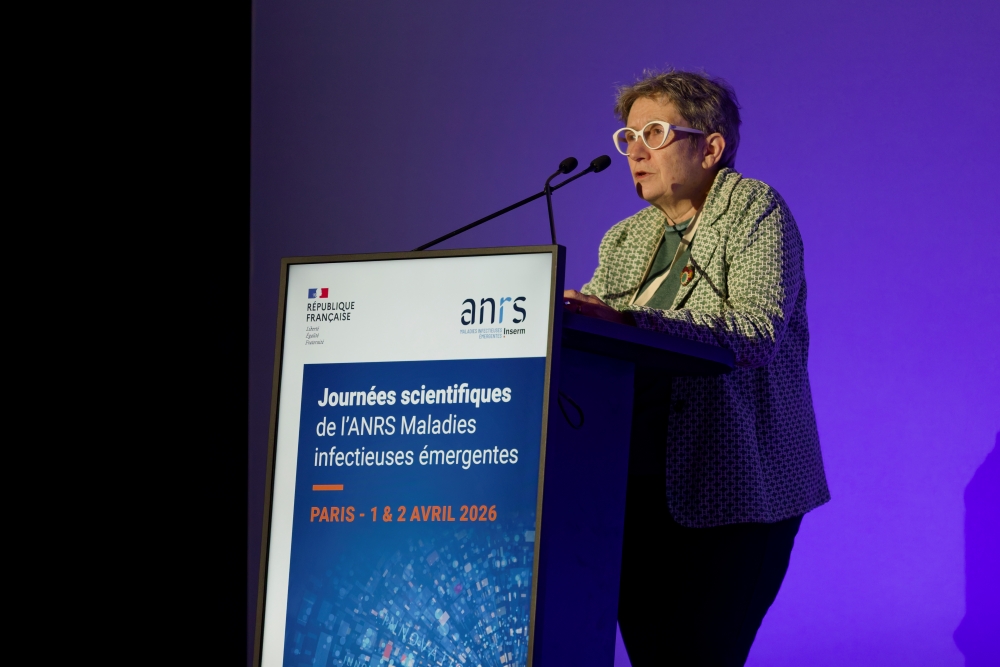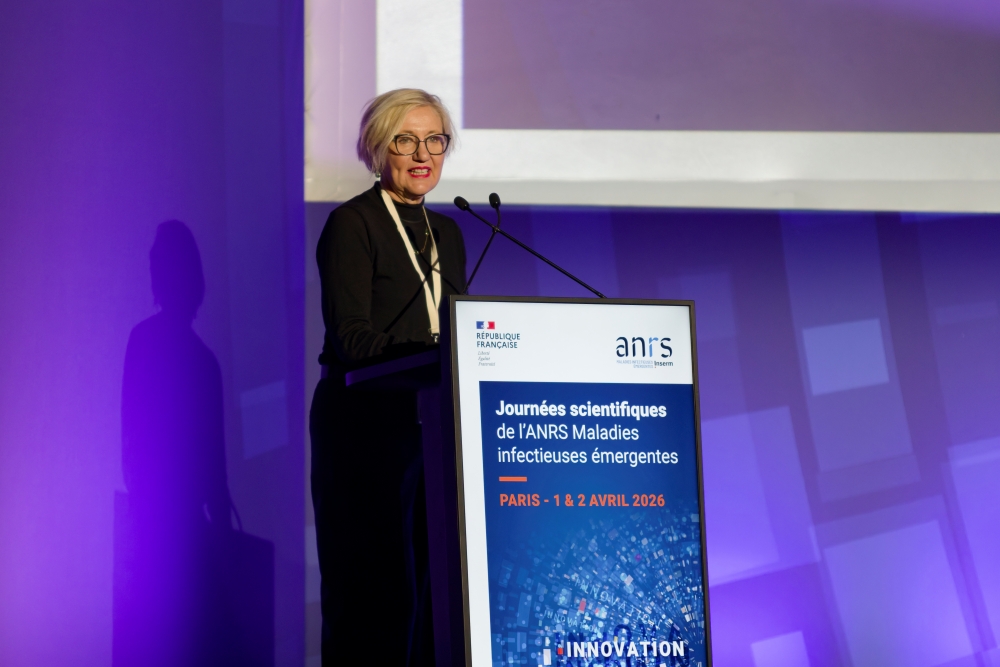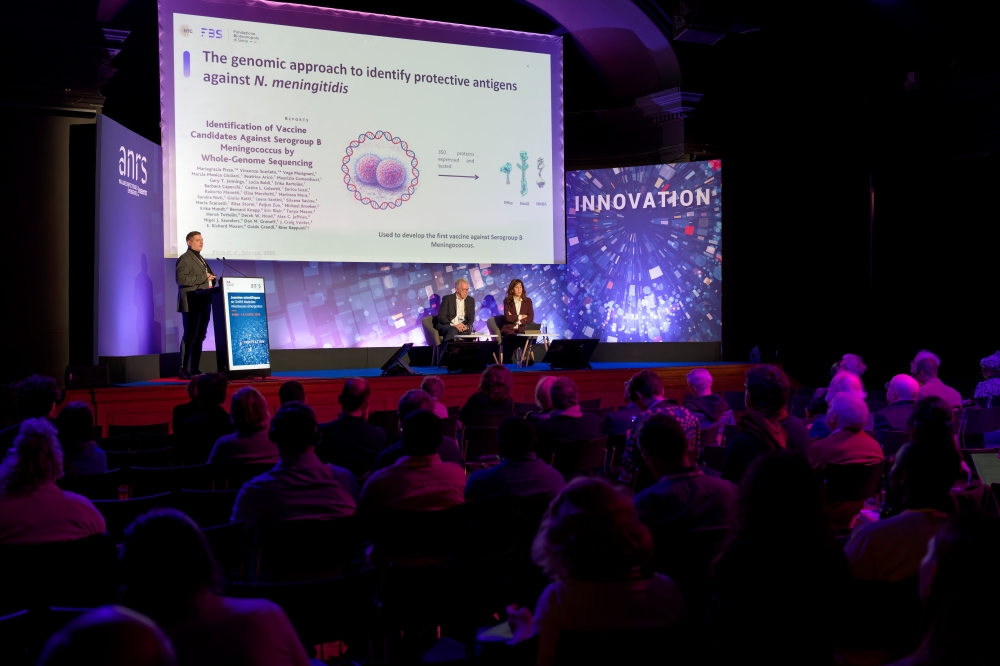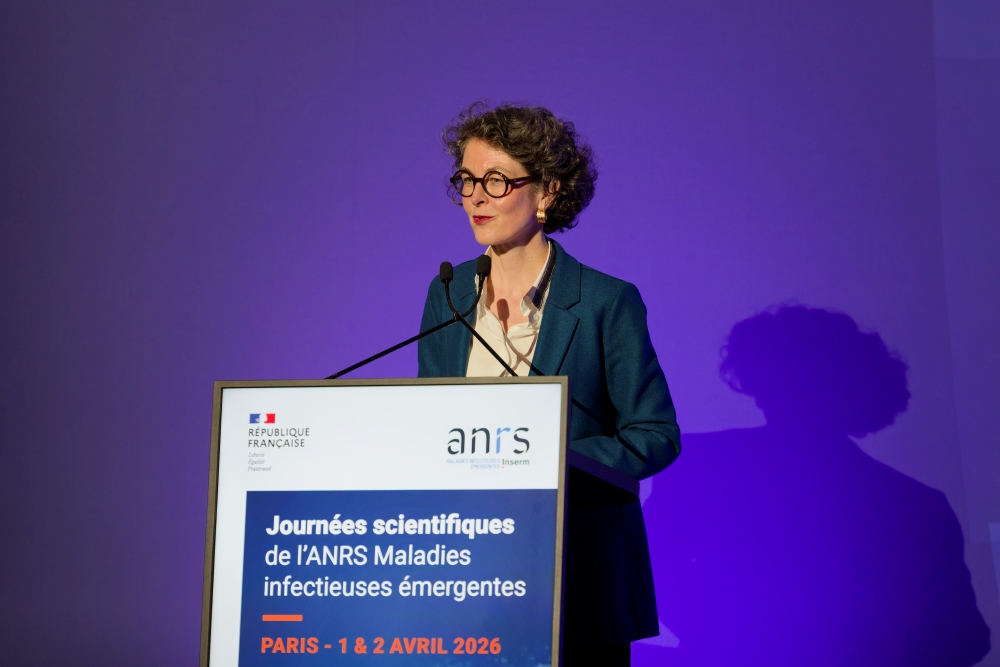
Les Journées scientifiques de l'ANRS MIE auront lieu les 1er et 2 avril 2026 à la Cité internationale universitaire de Paris, sur site et en distanciel.
Du 01 au 02 avril 2026
Comme chaque année, l’ANRS Maladies infectieuses émergentes (ANRS MIE) organise ses Journées scientifiques. Rendez-vous en format hybride les 1er et 2 avril 2026 à la Cité internationale universitaire de Paris.
Grand rendez-vous annuel de l’agence, c’est l’occasion pour les chercheurs et nos partenaires institutionnels, associatifs ou industriels, de présenter les avancées récentes de la recherche contre les maladies infectieuses et d’échanger sur les priorités et perspectives.
Les différentes sessions ont été élaborées par un comité scientifique dont nous saluons ici l’investissement à nos côtés.
Cette nouvelle édition aura pour thème « l’innovation pour accélérer la réponse aux maladies infectieuses ».
En effet, les crises épidémiques sont de véritables urgences sanitaires qui, en plus de mobiliser l’ensemble des acteurs de la santé, agissent également comme un puissant accélérateur d’innovation.
Dans un contexte marqué par l’émergence et la réémergence de maladies infectieuses, l’ANRS MIE mobilise ses équipes et son réseau pour soutenir le développement de nouvelles approches thérapeutiques, d’outils de dépistage innovants et de technologies de prévention, afin d’anticiper, de prévenir et de répondre efficacement aux crises sanitaires futures.
Au cours de ces deux journées, les intervenants s’attacheront à présenter les dernières avancées de la recherche contre les maladies infectieuses, au bénéfice de la santé humaine, animale et des écosystèmes. La nouvelle génération de chercheurs et chercheuses sera également valorisée avec la présentation de leurs travaux.
L’ensemble du programme reflète la mission de l’ANRS MIE qui est d’animer, coordonner et financer la recherche afin d’assurer l’accélération des découvertes et leur transfert vers des solutions concrètes pour la santé publique et l’accès équitable aux innovations.
Le fil rouge de cette édition sera décliné à travers un parcours scientifique logique :
Ce rendez-vous majeur rassemblera plus de 500 membres de la communauté scientifique nationale et internationale gravitant autour de l’ANRS MIE, ainsi que ses partenaires institutionnels, associatifs et industriels. Il leur offrira un cadre privilégié pour échanger, partager leurs savoirs et travaux novateurs ainsi que renforcer la coopération interdisciplinaire sur les pathologies du périmètre de l’agence.
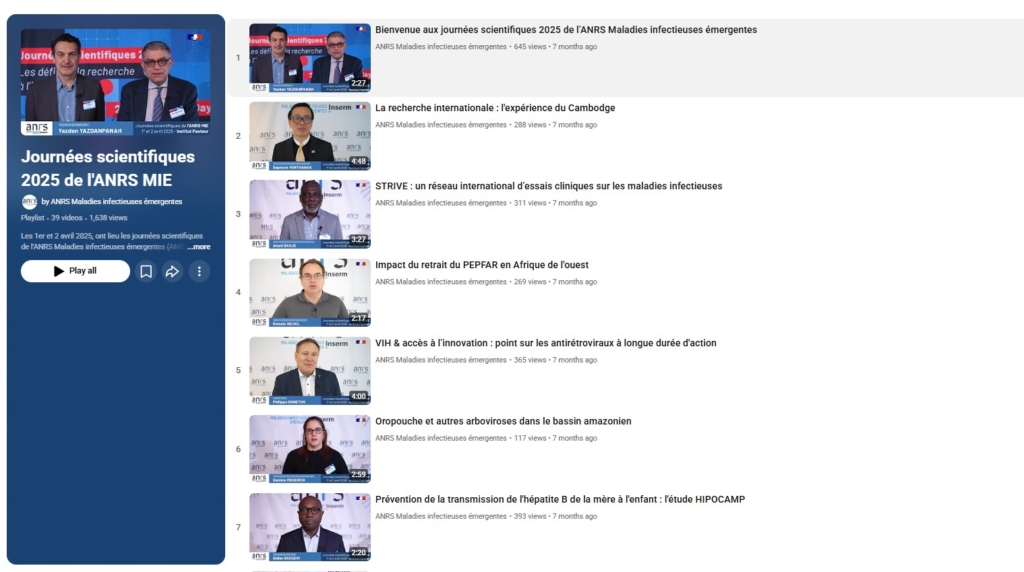
Découvrir les intervenantsRetrouvez toutes les rediffusions et les interviews des Journées scientifiques sur notre chaîne YouTube ou en cliquant sur l’image ci-dessous :
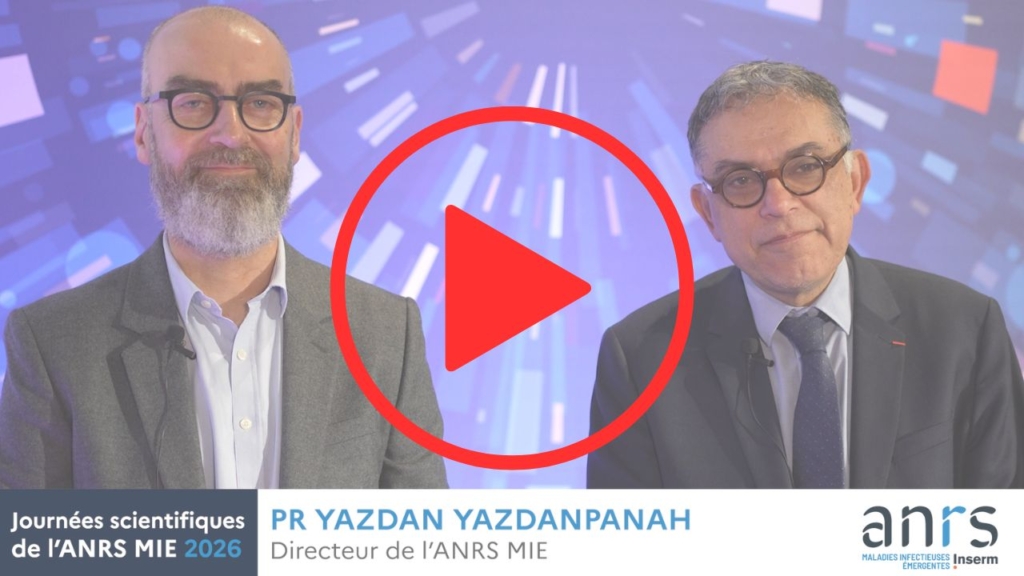
Vous trouverez ci-après les résumés des présentations des Journées scientifiques 2026 :
Delese Mimi Darko, African Medicines Agency, Kigali, Rwanda
Innovation is essential to accelerating our response to infectious diseases. Africa is at a defining moment. Africa carries a significant share of the global disease burden. The continent is increasingly becoming more active in research and in building its manufacturing capacity; however, the journey from innovation to patient access still lacks behind. In addition, data from clinical trials have to be credible. Otherwise innovation goes nowhere. Trust is built through ethics and sustained through strong, robust regulation. Regulation must be an integral part of research activities – of innovation.
Africa faces many challenges such as multiples requirements, different timelines and limited coordinations, which delay the journey from innovation to patient access.
The African Medicines Agency (AMA) was created to connect regulatory systems across Africa in order to conduct joint reviews and harmonised pathways. AMA has put in place an Innovation office that provides coordinated scientific advice and regulatory guidance, and ensures to fill the bridge from innovation to patient access.
Cheikh Tidiane DIAGNE, institut Pasteur de Dakar, Sénégal
DIATROPIX, a social enterprise established by the institut Pasteur de Dakar (IPD), represents a transformative shift toward African health sovereignty. By localizing the development and manufacturing of diagnostic tools, DIATROPIX addresses the continent’s historical over-reliance on imported medical supplies, which often leaves regional health systems vulnerable during supply chain disruptions and outbreaks.
The platform serves as a critical bridge between disease surveillance and vaccine response. Rapid, accessible testing is the first line of defense; it enables the early detection of pathogens such as Yellow Fever, Measles, Meningitis, and Ebola. This « diagnostic intelligence » is essential for guiding timely outbreak responses and ensuring the efficient deployment of vaccines and other countermeasures. By integrating RDT (Rapid Diagnostic Test) production with IPD’s expertise in vaccine manufacturing, DIATROPIX creates a synergistic ecosystem for pandemic preparedness.
Operating from an ISO 13485-certified facility, DIATROPIX focuses on innovation for neglected and epidemic diseases that are often overlooked by global commercial markets. Through strategic partnerships with organizations like Gates Foundation, Unitaid, Mérieux Foundation, MSF, FCDO, FIND, the platform scales the production of affordable, high-quality tests tailored to the African context.
Antoine GESSAIN, Institut Pasteur, France
Mpox is a zoonosis of African origin caused by the monkeypox virus (MPXV), an Orthopoxvirus. Despite many studies, its animal reservoir remains unidentified. However, several lines of evidence, including our recent studies based on ecological niches (Curaudeau et al., Viruses 2023), and systematic comparative analyses (Curaudeau et al., One Health 2025) point towards rodents, especially arboreal squirrel species, such as Funisciurus anerythrus and Funisciurus leucostigma living in the African rainforests of Central and West Africa, respectively.
The goal is to characterize this animal reservoir, its genetic diversity and evolutionary history, and to compare its diversity with that of MPXV of zoonotic origin, as well as to detect and study the virus present in these animals at genomic level. Comparative phylogeography and molecular dating will complete this work. The hypothesis is that these African tree squirrels or related species are the animal reservoirs of MPXV.
DNA of such squirrels is needed to confirm this. A large series of DNA samples from biopsies, which have been stored for years or decades in major museum collections (e.g. the MNHN in Paris, the Musée royal d’Afrique Centrale in Tervuren) was used. The advantages of this approach are significant. It is non-invasive, and this « museomics » work avoids to take any animal samples in African forests in situ. There is therefore no environmental impact, either in terms of carbon footprint, or on local animal biodiversity. Finally, preliminary data indicate that despite its low concentration and low average quality in terms of fragment size, the “ancient” DNA can be amplified by PCR and sequenced by NGS generating genomic DNA of the hosts as well as MPXV DNA.
Mircea SOFONEA, université de Montpellier – CHU de Nîmes, France, and the PReViX consortium
The COVID-19 pandemic exposed how limited our ability remains to assess in real time the healthcare impact potential of a newly emerging respiratory virus. The continued diversification of SARS-CoV-2 and renewed concern over avian influenza, among other examples, further underscore the need for preparedness capacities able to operate from the earliest stages of emergence of a previously undocumented pathogen following the WHO’s Disease X incentive.
PReViX is a recently (PEPR MIE) funded French initiative dedicated to the early scientific and operational assessment of future respiratory virus threats. Building on lessons from last outbreaks and pandemics, especially influenza and SARS-CoV-2, it aims to develop an integrated quantitative framework to characterize, as early as possible, the microbiological, immunological, epidemiological and healthcare-system implications of a new respiratory virus species, strain or variant. Its ambition is to transform the first heterogeneous and weak signals available during emergence into robust situational awareness, early risk assessment and actionable decision support.
The project addresses six objectives: early estimation of pandemic and health-crisis potential; use of viral and immune dynamics to inform testing and vaccine strategies; improved exploitation of genomic data; integration of antibody and antigenic dynamics for epidemic analysis and forecasting; design of early non-pharmaceutical interventions; and anticipation of healthcare-system stress and adaptive response.
This presentation will introduce the rationale, structure, scope as well as early results of the PreViX project. In particular, the latter lay the foundations of the transdisciplinary framework by assessing the non-trivial influence of non-pharmaceutical countermeasures and mutation timings on projected health burden, immune waning assumptions on incidence rates, and the interplay between within-host dynamics and future vaccine features on hospitalisations.
Margot KARLIKOW, En Carta Diagnostics, Paris, France
Molecular diagnostics are among the most powerful tools for detecting infectious agents, offering unmatched sensitivity and specificity. Yet their use remains largely confined to centralized laboratories due to their technical complexity and infrastructure requirements. Bridging the gap between performance and accessibility remains a major challenge for improving the early detection of infectious diseases.
The talk will explore how synthetic biology can enable the development of a new generation of molecular diagnostics and highlight the interdisciplinary research required to translate advances in molecular biology into deployable technologies. It will focus on the work conducted by En Carta Diagnostics involving programmable molecular sensors and cell-free genetic circuits designed to detect specific pathogen signatures.
By integrating these programmable biological systems into portable diagnostic formats, En Carta aims to bring the precision of molecular testing closer to decentralized settings. Through several case studies, including the early detection of Borrelia bacteria at the site of a tick bite and at-home molecular diagnostics for sexually transmitted infections, the talk will showcase how synthetic biology can redefine where, when, and by whom molecular diagnostics can be used.
Delphine PARRAUD, Hospices Civils de Lyon, France
Emerging respiratory viruses such as influenza and coronaviruses remain a constant threat to global health. The COVID-19 pandemic showed the need for improved surveillance, early warning systems, and rapid diagnostics to strengthen preparedness for emerging infectious diseases (EID). VORTEX aims to explore breath analysis to develop a rapid, non-invasive diagnostic tool for respiratory infections. Volatile organic compounds (VOCs) found in the breath, known as the volatilome, can serve as biomarkers for respiratory infections. This project will help identify VOC signatures to distinguish bacterial and viral infections and define specific profiles reflecting the composition of the microbiota and host immune responses. Advanced statistical and machine learning approaches will be used to analyze complex datasets. This work could facilitate the rapid isolation of patients and targeted treatment, limiting viral spread and reducing the outbreak impact. The project aims to address four key challenges: (1) the development and comparison of sensitive online and offline VOC analytical methods; (2) the characterization of the complexity of the volatilome through a comprehensive database integrating factors influencing VOC emission; (3) integrative modeling of VOC patterns using advanced mathematical tools; and (4) standardization and quality control to ensure reproducibility and reliability. Organized into five complementary work packages, VORTEX combines methodological development, a large clinical study in patients with respiratory infections, detailed host–pathogen investigations, integrative data analysis, and an assessment of real-world implementation that takes regulatory, economic and societal aspects into account. Ultimately, this work aims to pave the way for a rapid diagnostic tool that could support early patient management, limit transmission, and strengthen public health responses to future respiratory outbreaks.
James ZOU, Standford University, États-Unis
Artificial intelligence (AI) agents—large language models equipped with tools and reasoning capabilities—are emerging as powerful research enablers. This talk will explore how agentic AI can accelerate scientific discoveries. The Virtual Lab is a collaborative team of AI scientist agents conducting in silico research meetings to tackle open-ended research projects. As an example application, the Virtual Lab designed new nanobody binders to recent Covid variants that we experimentally validated. Paper2Agent, a framework to automatically convert passive research papers into interactive AI agents, will be then introduced.
Glenda GRAY, University of the Witwatersrand, Johannesburg, Afrique du Sud
Vaccines are the cornerstone of public health serving as biologics to enhance an immune response to combat specific infectious diseases. Vaccines are critical to the control of infectious diseases and have been pivotal for the improved survival of infants and children. Developing a safe and effective HIV vaccine is paramount for the control of HIV at a global level, as transmission in both high-income settings and low-middle-income settings continues unabated, despite “treatment as prevention” strategies and recent advances utilising antiretroviral prophylaxis to prevent transmission. Genetic variability, the rapid mutation rate, lack of both optimal animal models and correlates of protection garnered from natural cure from HIV, amongst other factors impede progress of HIV vaccine development. Recent advances during the SARS-CoV-2 pandemic have revolutionized vaccine development and include: vaccine platforms such as mRNA/nucleic acid vaccines that use lipid nanoparticles, virus like particles as well as other viral vector technologies, which are highly immunogenic; the integration of machine-learning and artificial intelligence into vaccine design; use of computational protein design to optimize immunogen design and predict effective epitopes; immunogen engineering such as germline targeting; the use of more potent adjuvants to augment immune responses in addition to novel delivery methods; the use of novel clinical trial designs including discovery medicine studies, analytical treatment interruptions and the use of monoclonal antibodies in combination with active vaccination all contribute to greater advances to drive HIV vaccine discovery further. Lessons learned from SARS-CoV-2 and HIV vaccines can support the development of vaccines for other diseases and infectious diseases.
Emanuele ANDREANO, Fondazione Biotecnopolo di Siena, Italie
Over the past three decades, vaccine development has evolved from classical pathogen cultivation to genome-based antigen discovery (Reverse Vaccinology), followed by the isolation of human monoclonal antibodies enabling structural definition of protective epitopes (Reverse Vaccinology 2.0). More recently, artificial intelligence (AI) has transformed the field by enabling rapid prediction of antigen structures and antibody–antigen interactions, accelerating discovery from years to days and defining a new paradigm termed “Reverse Vaccinology 3.0”. This approach was first implemented in the context of monkeypox virus (MPXV) to address the urgent need for improved countermeasures against recurrent mpox outbreaks. By integrating antigen-agnostic isolation of human monoclonal antibodies, AlphaFold3-based modeling, and cryo-electron microscopy, Reverse Vaccinology 3.0 enabled the identification of the orthopoxviral protein OPG153 (MPXV A28) as a target of broadly neutralizing antibodies. OPG153-specific antibodies neutralize multiple MPXV forms, clades and vaccinia virus, and cross-reacted with cowpox and smallpox viruses. Immunization with OPG153 elicits potent neutralizing responses, establishing it as a promising broad vaccine antigen and therapeutic target against orthopoxviruses.
Saranya SRIDHAR, Sanofi, Londres, Royaume-Uni
mRNA vaccines offer a transformative platform for addressing unmet infectious disease needs, yet their complexity demands sophisticated tools to systematically optimize potency, reactogenicity, pharmaceutical profile, and manufacturing robustness. Sanofi’s mRNA Center of Excellence has deployed artificial intelligence and machine learning across the entire development value chain to optimize vaccine design and improve translation from preclinical models to the clinic. Sanofi developed a translational approach integrating clinical biomarker profiling with the MIMIC® in vitro human immune modeling system to predict vaccine tolerability. Exploratory clinical studies across multiple lipid nanoparticle (LNP) formulations revealed pro-inflammatory cytokine signatures—including interferon-related mediators, IL-1 family members, and monocyte chemokines—that recapitulate reactogenicity patterns. Machine learning models trained on MIMIC-derived signatures demonstrated strong predictive capacity for clinical adverse events, enabling preclinical LNP down-selection. This translational framework bridges the « valley of death » between discovery and clinical development, providing actionable biomarkers to guide next-generation mRNA vaccine design with improved safety profiles while maintaining immunogenicity.
Mathieu EPARDAUD, Inrae-université de Tours, France
L’unité BioMAP (UMR ISP 1282, INRAE–université de Tours) développe des stratégies vaccinales innovantes ciblant l’immunité muqueuse, avec une expertise reconnue en administration intranasale. Les travaux initiaux ont permis la mise au point d’un vaccin intranasal contre Toxoplasma gondii, validé en conditions réelles dans des parcs zoologiques, démontrant la faisabilité, la sécurité et l’efficacité de la vaccination muqueuse, y compris chez des espèces sensibles.
Sur cette base, BioMAP a développé une plateforme technologique reposant sur une formulation muco-adhésive favorisant la rétention antigénique, l’activation des réponses humorales et cellulaires, ainsi que l’induction conjointe d’immunités locales et systémiques. Cette approche a été rapidement transposée au développement d’un vaccin intranasal contre le SARS-CoV-2, actuellement en fin de phase I clinique, visant à induire une immunité protectrice au site d’entrée du virus afin de réduire infection et transmission, tout en complétant les stratégies vaccinales systémiques.
Ces recherches s’inscrivent dans une démarche translationnelle, de la preuve de concept préclinique aux essais cliniques précoces, illustrant la capacité de BioMAP à valoriser des innovations issues du domaine parasitaire vers des applications en santé publique.
Aujourd’hui, les activités de BioMAP couvrent un continuum allant de l’étude des mécanismes fondamentaux de l’immunité aux approches vaccinales appliquées. Parmi les projets en cours, le programme InHEALation (PEPR MIE, ANRS) vise à développer des vaccins à large spectre contre les virus respiratoires, notamment la grippe (saisonnière, zoonotique et pandémique), en optimisant les formulations et les voies d’administration (nasale et pulmonaire). Le laboratoire contribue également au programme France Vaccin, dans le cadre du projet NAViX consacré au développement de vaccins contre les maladies émergentes (pandemic preparedness).
Raul Yusef SANCHEZ DAVID, Queen Mary University of London, Royaume-Uni
Self-amplifying messenger RNAs (saRNAs) represent a promising advance in vaccine development due to their ability to induce high and sustained expression of a gene of interest. Derived from positive-sense single-stranded RNA viruses, particularly alphaviruses, these vectors use a viral replication complex (vRC) to amplify the engineered RNA. During self-amplification, the vRC forms spherules at the plasma membrane where double-stranded RNA (dsRNA) intermediates are produced, which are essential for the generation of genomic and subgenomic RNAs. These dsRNA-containing spherules are rapidly internalized into vesicular bodies.
dsRNA plays a central role in the immunogenicity of these vaccines, acting as a potent intrinsic adjuvant. However, it can also limit transgene expression by triggering antiviral responses that may target the vector itself. Therefore, optimizing saRNA technologies requires protecting dsRNA from innate immune sensing while preserving its adjuvant properties.
An innovative strategy is proposed that enhances gene expression by preventing dsRNA internalization and promoting its accumulation at the cell periphery. This early blockade of the viral replication cycle preserves RNA amplification while reducing the sensitivity of protein kinase R (PKR) to dsRNA. As a result, global translational shutdown is avoided, leading to improved expression of both the transgene and host proteins. This approach demonstrates increased efficiency across multiple cell types without compromising the type I interferon response, which is essential for immunostimulation.
Data characterizing this strategy and the underlying molecular mechanisms that allow circumvention of limiting antiviral responses will be presented.
Bruno PITARD, Inserm-CNRS, Nantes, France
Many diseases originate from either the absence or defective expression of a given protein. For some of them, the lacking protein is secreted or can be taken up by cells when delivered exogenously. In such cases, therapies initially involved administering the physiological protein extracted from human tissues. Subsequently, genetic engineering enabled the production of proteins through cell fermentation after introducing the corresponding gene. For many other pathologies, the deficient protein cannot be delivered exogenously. Thus, an endogenous production of the therapeutic protein by the cells themselves is necessary. Messenger RNA (mRNA) technology, like its predecessor DNA, aims to supplement the genetic information needed to produce the therapeutic protein within the cells. However, unlike DNA-based therapies, mRNA transfer allows for transient expression of the protein of interest, which offers an advantage in numerous pathologies. Nonetheless, mastering the quantity, quality, and spatio-temporal regulation of protein production encoded by therapeutic mRNA remains a significant challenge for the development of this approach. We present here, the study of the relationships between physico-chemical properties of mRNA supramolecular assemblies and their efficiency to synthesize within the body antibodies, including human neutralizing antibodies against SARS-CoV2.
Alain BAULARD, Inserm-institut Pasteur de Lille, France
Mycobacterium tuberculosis possesses intrinsic mechanisms to modulate its own antibiotic susceptibility through transcriptional mechanisms. This observation initiated a continuous research program that has recently culminated in the successful completion of a Phase II clinical trial in South Africa with a compound called alpibectir. The mode of action of alpibectir can be compared to that of a computer virus that hijacks the bacterium’s own transcriptional regulatory circuitry. Alpibectir renders it hypersusceptible to the antitubercular drug ethionamide, including clinical strains that carry resistance determinants specific to this antibiotic.
This presentation will trace the journey backwards, from today’s success with alpibectir back to the foundational conceptual discovery. Key scientific inflection points will be highlighted along the way, including several serendipitous findings that proved pivotal to the project’s trajectory. Beyond the science itself, multidisciplinary collaborations and the contribution of dedicated colleagues have played an essential role, as has the crucial importance of public–private partnerships in transforming a simple mechanistic observation into a therapeutic goal once considered utopian, today a clinical reality.
Marco VIGNUZZI, A*STAR Infectious Diseases Labs, Singapour
RNA viruses evolve as highly diverse populations, enabling rapid adaptation, immune evasion, and pathogenesis. This talk will cover the key advances that have helped reshape our understanding of RNA virus evolution and antiviral strategies. Topics include how mutation rates and recombination rates promote viral adaptability but can be used to attenuate disease in vivo. These findings led to the conceptual and experimental development of lethal mutagenesis as an antiviral approach, and to making safer vaccines less likely to revert to wildtype virulence. Various approaches will be presented: 1) how viral fitness can be studied in sequence space and manipulated to generate new virus control measures; 2) how these methods identify parasites within the virus population that be harnessed as countermeasures. These approaches can also rewire virus backbones to become next generation RNA vaccines.
Edwin ROSADO-OLIVIERI, New York University, États-Unis
Respiratory viral diseases are among the leading causes of death and disability worldwide. Current therapies face major limitations, including narrow windows of efficacy and a high risk of resistance driven by the rapid emergence of viral variants. A major barrier to developing of therapeutics is the reliance on non-physiological cell models which poorly capture the complexity of human tissues and often fail to predict clinical outcomes. To address this challenge, a high-throughput platform has been developed that generates human mini-lungs derived from human pluripotent stem cells cultured on micropatterned substrates. These organotypic tissues recapitulate key features of fetal lung development, including tissue architecture and proximo-distal organization of airway and alveolar compartments. Mini-lungs are highly susceptible to infection by diverse respiratory pathogens, including coronaviruses, orthomyxoviruses, paramyxoviruses, and rhinoviruses, enabling quantitative analysis of viral tropism, spread, and virus-induced cytopathology across thousands of tissues simultaneously. Transcriptomic analysis of infected mini-lungs reveals enrichment of gene signatures observed in respiratory virus–infected patient tissues. Thanks to this pathogen-agnostic system, multiplexed high-throughput infection assays were developed that allow quantitative evaluation of antiviral activity across multiple respiratory viruses in parallel, supporting discovery of broadly acting therapeutics. Importantly, this platform is modular and extensible, and the same micropattern-guided stem cell engineering approach can be adapted to generate aerodigestive and gastrointestinal tissues, including the trachea, esophagus and intestine. These engineered tissues enable scalable modeling of infectious diseases affecting the airway and gastrointestinal tract and provide physiologically relevant systems for studying pathogen biology and accelerating therapeutic discovery.
Adeline CEZARD, Centre d’Étude des Pathologies Respiratoires, Tours, France
Influenza remains a major global health challenge, particularly in its severe forms where both viral replication and excessive host inflammation contribute to disease progression. Current antiviral treatments remain limited in their efficacy, highlighting the need for new therapeutic strategies.
This presentation describes the research exploring the potential of host-derived metabolites as antiviral therapeutic agents. This work is rooted in the emerging field of immunometabolism, which investigates how cellular metabolic pathways influence immune responses. Metabolites which were identified are capable of modulating antiviral immunity, including cis-aconitate, a metabolite from the Krebs cycle that exhibits both antiviral and anti-inflammatory activities. The experimental approaches used to identify this molecule are presented, along with data demonstrating its protective effects against influenza infection.
The potential implications of these findings are examined in the context of severe influenza, where it is essential to control both viral replication and excessive inflammatory response.
The development program aimed at advancing this discovery to the preclinical development phase is currently underway. It will be presented, along with the goal of transforming this work into a therapeutic solution through the creation of a biotechnology startup dedicated to developing this innovative anti-influenza treatment.
Solène DENOLLY, Inserm-Centre de Recherche en Cancérologie de Lyon, France
The public health risks associated with new and emerging viral infectious diseases are now well known. Most of these diseases are caused by zoonotic viruses whose reservoirs/vectors are animals, particularly arthropods. Among pathogens transmitted by ticks, the Orthonairovirus genus harbors over 50 viruses assigned to 15 groups/species, some being highly pathogenic for humans and animals. Among them, the Crimean-Congo hemorrhagic fever virus (CCHFV) is the virus that combines both the largest range and the highest medical importance, with several thousand human cases each year and a high mortality rate estimated on average at 30% and with a circulation in tick and cattle in France. To date, no prophylactic treatment has been developed against CCHFV nor against other orthonairoviruses. It is therefore crucial and urgent 1) to develop both fundamental and translational studies on these pathogens in order to design the first prophylactic and therapeutic treatments against CCHFV and other orthonairoviruses, 2) to understand the molecular basis of its inter-species transmission, and 3) to anticipate, not just react to infectious threat.
In this context, the VISTA project proposes to discover and characterize host factors required for viral life cycle of three orthonairoviruses, including CCHFV, with a focus on factors recruited in two virus-induced structures. These structures are, on the one hand, the viral particles themselves and, on the other hand, viral ‘condensates’ that concentrate the viral NP and L proteins, two key proteins for viral replication. Study of the properties of viral particles in humans made it possible to identify host-directed molecules having antivirals activity against CCHFV.
Téléchargez le programme complet, comprenant les plénières et le stand du Forum de l’ANRS MIE.
Amel BOUAKANE
(ANRS MIE / Inserm)
Patricia BRASIL
(Fiocruz Brésil)
Fanny CHABROL
(IRD)
Jane DEUVE
(Sidaction)
Franck DUFOUR
(I3M / Inserm)
Ibrahima Socé FALL
(Institut Pasteur de Dakar)
Sévérine GIBOWSKI
(ANRS MIE / Inserm)
Christophe JACQUINET
(IDCluster)
Gilles LABESSE
(CNRS)
François LACOSTE
(bioMérieux )
Guillemette MASSE-RANSON
(Institut Pasteur)
Nicolas NAGOT
(CHU de Montpellier )
Véronica NOSEDA
(L’Initiative / Expertise France)
Armelle PASQUET
(ANRS MIE / Inserm)
Fabrice PORCHERAY (président du conseil scientifique)
(ANRS MIE / Inserm)
Éric QUEMENEUR
(France Vaccins / Inserm)
Hervé RAOUL
(ANRS MIE / Inserm)
Mircea SOFONEA
(Université de Montpellier)
Ana ZARUBICA
(Inserm)
Les Journées scientifiques 2025 de l’ANRS Maladies infectieuses émergentes se sont concentrées autour de la thématique de la dimension internationale de la recherche.
Vous retrouverez un résumé détaillé des sessions et présentations sur la page de l’événement.
Vous pouvez aussi visionner l’intégralité des sessions qui ont eu lieu lors de l’édition 2025, ainsi que les interviews réalisées à cette occasion sur la chaîne YouTube de l’ANRS Maladies infectieuses émergentes, en cliquant sur l’image ci-dessous :